
Chlorine-free Water & Health: Risks, Filters, Best Time for Shower, Hot vs Cold Shower, Drinking Water
Everything about the water you should know
🛡️ Key TakeawaysChlorine in water can negatively impact skin health through absorption. Understanding the health risks of chlorinated water is essential for overall well-being. Quality filters can help maintain chlorine-free water for better overall health. Shower temperature can influence skin moisture and absorption rates. Choosing the right water filtration system can enhance your body and skin health. Cold vs Hot Shower: Pros and Cons Best drinking water: Ph value, ionization, packaging |
💧 IntroductionRightfully, many people worry about the water they use daily. In addition to exposure to chlorine and its impact on health, showering time and temperature make a difference to general well-being, and the choice of bottled water we drink is essential. |
⚠️ Did You Know? The Alarming Truth About Chlorine AbsorptionChlorinated water has health risks that we should know about. Learning about these risks helps us make better choices. It also encourages us to live healthier lives. Having chlorine-free water for drinking and showering is crucial for health, as the skin can absorb significant amounts of chlorine and other contaminants. This exposure can increase the risk of developing serious health issues, including bladder cancer. -Chlorine can be absorbed through the skin during bathing, with studies indicating that absorption rates can range from 40 to 63 percent. This means that daily activities may pose health risks. -Research from the National Cancer Institute shows a 12 to 27 percent higher risk of bladder cancer for those consuming chlorinated water. This statistic highlights the importance of water quality. |
🛡️ Need for Quality Water FiltrationTo achieve chlorine-free water, one effective solution is to install Tap (faucet) Filters, which, in addition to chlorine, remove other harmful chemicals from the water, and ensure that our water is safe for drinks and food that we treat with it. 👉Recommendation of Filters for the kitchen, long-lasting cartridges that need to be changed periodically, for the faucet, under the countertop or sink, and for the countertop faucet, as well as the portable filter, top rating and best seller. Please note that these are affiliate links, which means we may earn a small commission if you choose to purchase-at no extra cost to you. This support allows us to keep creating valuable content and recommendations for your well-being. |

Water Filter for Sink Faucet

Express Water Reverse Osmosis Alkaline Water Filtration System
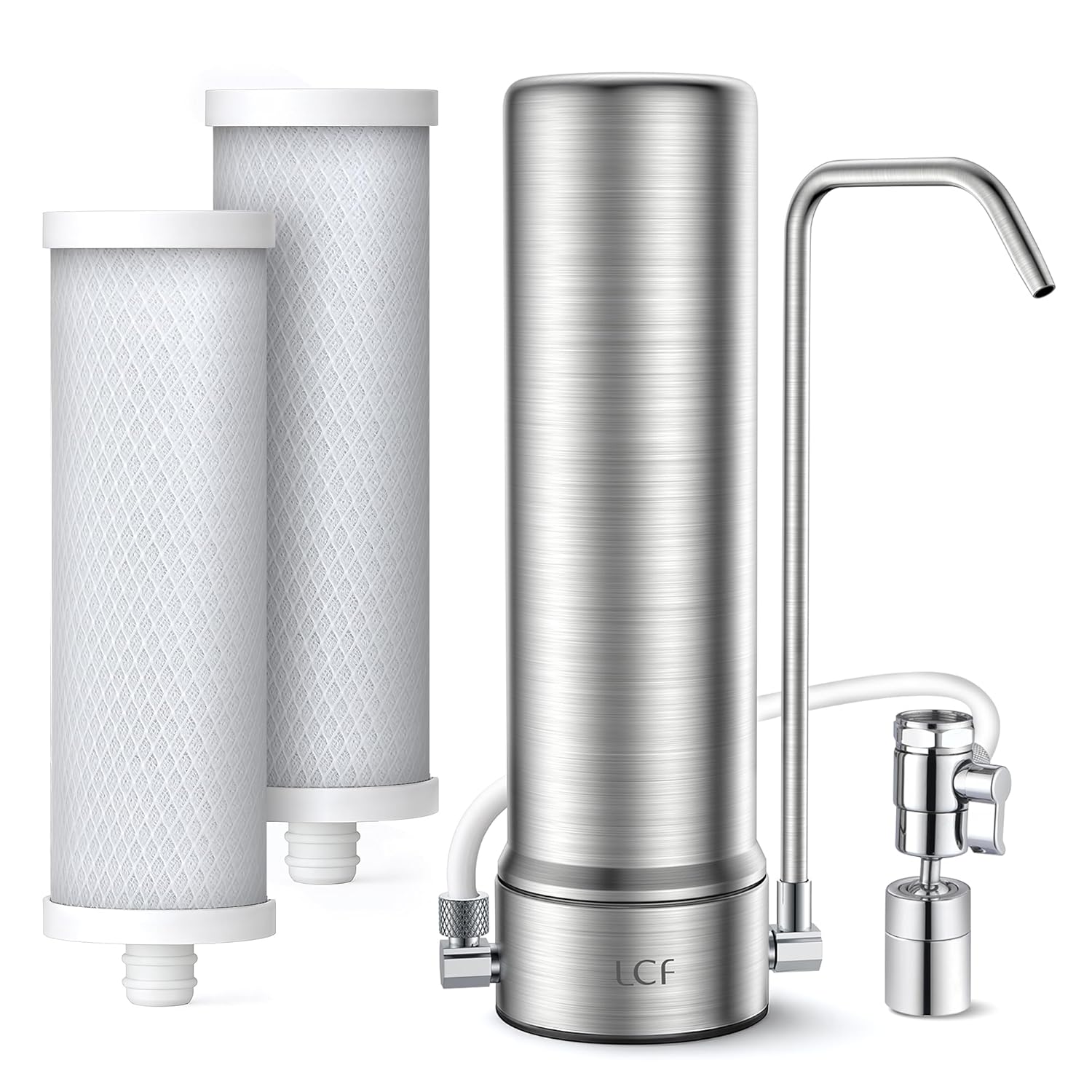
LCF Upgrade Countertop Water Filter

Brita Hub Compact Instant Powerful Countertop Water Filter

Philips Reverse Osmosis Water Filter Countertop
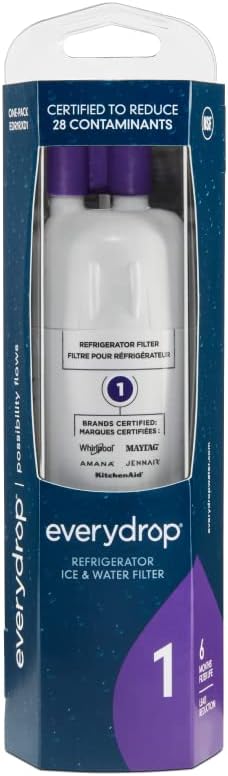
Ice&Refrigerator Filter
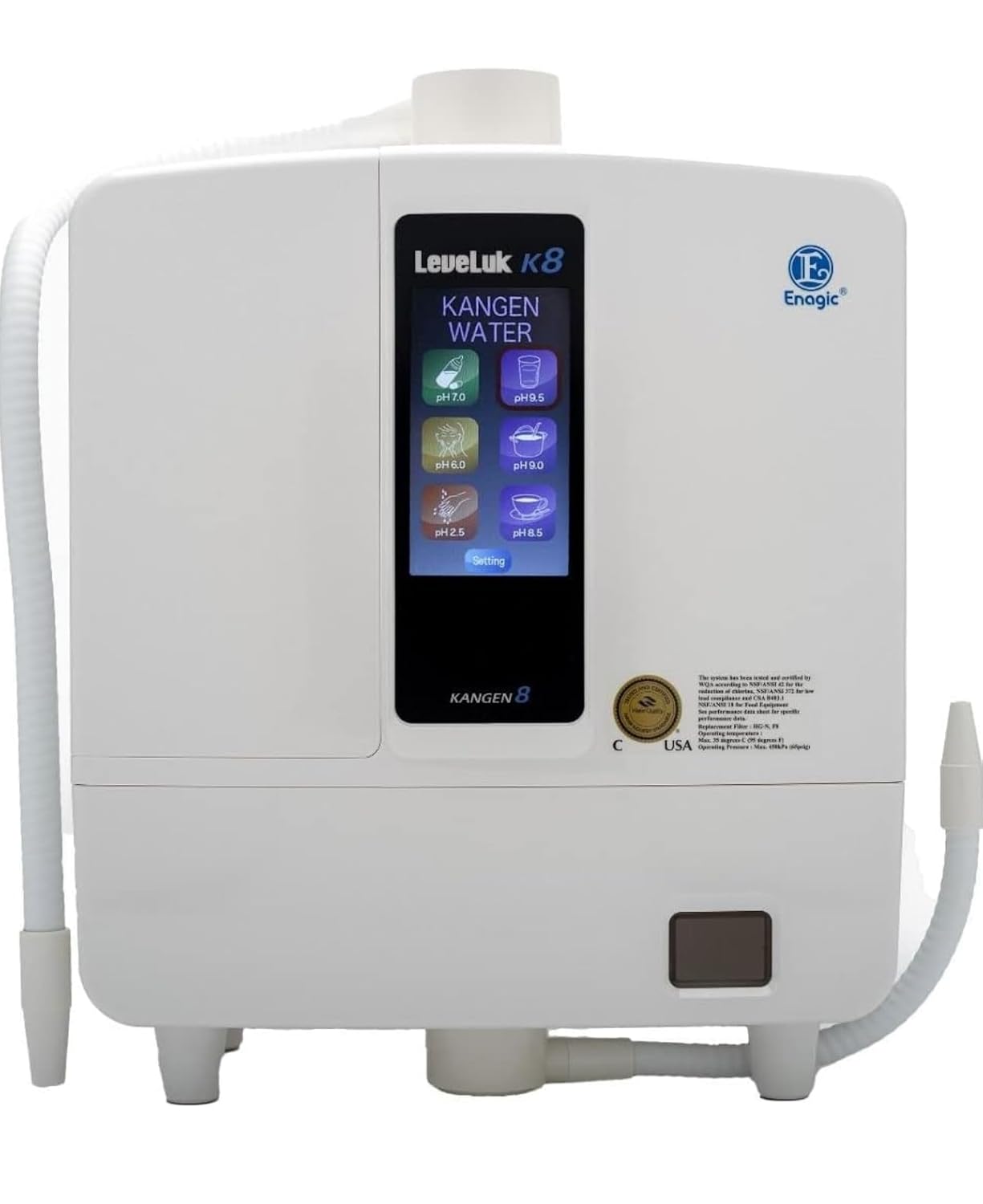
Water Filter Machine
🛁 Showering Practices Impacting HealthShowering is key for skin health and feeling good. When you shower can make you feel fresh and awake. Knowing when to shower and whether to use hot or cold water is important. Taking a shower at inappropriate times can significantly impact your health and safety. It is crucial to be mindful of when you shower to avoid potential risks. -Showering before bed can disrupt your body's natural temperature drop, affecting sleep quality and melatonin production. Aim to shower one to two hours before bedtime. -Showering immediately after meals can impair digestion by redirecting blood flow away from the digestive tract. It's advisable to wait at least 30 minutes post-meal before showering. |
🕒 Timing Matters: Best Times to ShowerWhen you shower can change your day. Morning showers wake you up. Evening showers help you relax before bed. Showering at the same time every day keeps your body in sync. After intense exercise, allow your body to cool down before showering to avoid overheating. A cool-down period of 15 to 30 minutes is recommended. -Optimal shower times can significantly enhance physical well-being and promote relaxation. Morning, post-workout, and pre-bedtime showers each offer unique physiological benefits for health. -Morning showers boost alertness, energy levels, and circulation, helping to prepare the body for the day. This promotes increased oxygen flow to the brain. -Post-workout showers cleanse sweat and bacteria, promoting skin health and aiding muscle recovery. They help reduce inflammation and soothe tired muscles and joints. -Showering a few hours before bed helps regulate body temperature for better sleep. This supports the circadian rhythm and improves overall sleep quality. |

🛀 Hot vs Cold Showers: What’s Best for Your Health and Skin?Hot and cold showers both have benefits. Hot water opens pores for deep cleaning but can dry out your skin. Cold water refreshes and boosts circulation, great for oily skin or certain conditions. Choose what's best for your skin type. Cold showers tighten skin pores and boost mental health, while hot showers relax muscles and enhance sleep. Each has unique benefits, such as improved circulation and toxin removal. Choosing between them depends on individual health needs and desired effects, making it essential to know when to use hot or cold water. -Cold showers can improve blood circulation, reduce stress levels, and alleviate muscle tightness, making them beneficial in certain situations. They are particularly useful for recovery after intense physical activities. -Hot baths may enhance cardiovascular health, and promote better sleep. They can be especially advantageous for individuals suffering from chronic pain conditions. -One major benefit of cold showers is their ability to boost metabolism, potentially assisting in weight loss efforts when combined with a healthy lifestyle. Regular exposure can enhance digestion and hormone balance. -Cold showers may also serve as a form of mild electroshock therapy, stimulating the brain and increasing energy, clarity, and alertness. This can be especially beneficial for those suffering from depression. -Research indicates that taking cold showers can reduce sick days at work by improving overall health and resilience. Participants in cold shower studies reported fewer instances of illness. -The best shower temperature varies by individual needs; for instance, warm showers can aid those with arthritis, while cold showers can help athletes with injuries. It's essential to match the temperature with specific health goals. |

🧴 The Benefits of Chlorine-free ShowersChlorine-free showers are great for your skin. They help keep your skin moist and strong. This means your skin stays hydrated and protected from bad stuff outside. 💦 Improved Skin Moisture and Barrier FunctionChlorine-free showers make your skin moist and healthy. Chlorine takes away oils, making your skin dry. But, without chlorine, your skin stays moist and soft. 🛡️ Reducing Allergic Reactions and IrritationsPeople with sensitive skin often react badly to chlorine. But, using chlorine-free showers helps a lot. It lowers the chance of skin problems, like eczema. It makes bathing a calming experience. Your skin stays healthy and feels good. 👉 Bathroom Filter Recommendation |
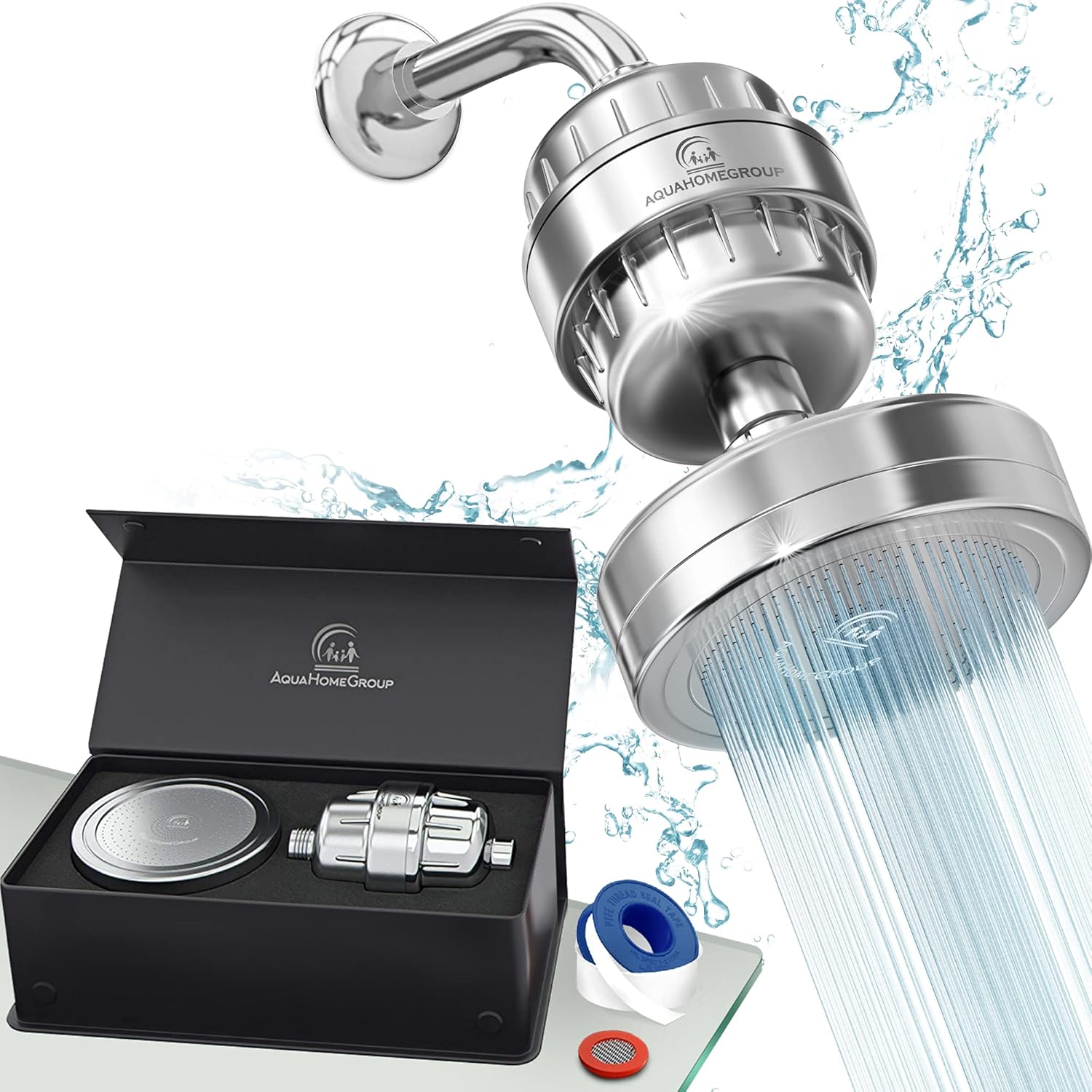
Luxury Filtered Shower Head

2.0 Carbon Shower Head Filter System

Filterbaby Skincare Filter 2.0

Bath Ball Water Filter for Bathtub
🛡️ Need for Quality Home Water FiltrationQuality water filtration systems are very important. More and more people are aware of the harmful chemicals in our water. These chemicals can harm our health. They can cause skin irritation and other issues. A good filtration system removes these bad substances. There are many types of filters available. Each type works differently to purify water. Understanding these types helps in making the right choice for your home. 🔧 Types of Water Filtration SystemsEach one works in its own special way to make water better. Here are some of the most common ones: Activated Carbon Filters: These filters get rid of chlorine. This makes water taste and smell better. Reverse Osmosis Systems: These systems take out lots of bad stuff. They make water very clean, removing chlorine and more. UV Filtration: This method uses light to kill bad germs. It makes water safe and clean.
Good water filters are key to staying healthy. They help make water clear and safe. This is good for our skin and overall health. |
🏠 Whole Home Filtration SystemsWhole home filtration systems clean all water in your house. They make sure every tap and shower has clean water. Knowing the benefits and how to choose the right system can make your water better. ✅ Benefits of Whole Home SystemsThese systems have many good points. They are loved by many homeowners. Here are some main benefits: Water tastes better and smells fresher. They remove bad stuff like chlorine. They keep your pipes and appliances clean. Showering and bathing feel better with healthier skin. You get clean water from every faucet. 🛠️ Choosing the Right System for Your HomeChoosing the right system takes some thought. You need to think about a few things. These are important for system selection: Budget: Decide how much you want to spend. Water Quality: Test your water to find out what it needs. Size: Think about how big your house is and how much water it uses. System Type: Pick between different types like activated carbon or reverse osmosis. 👉 Filter Recommendation for the Whole House: Long-lasting, best features, affordable. |

Whole House Filter System-Ultimate Protection

Whole House Water Filter System
🧪 Regular Testing for Chlorine LevelsTesting water for chlorine levels is key to safe drinking and bathing. Chlorine helps kill germs in water. But too much can harm your skin and health. Home testing kits are easy to use. They come with strips or liquid to check chlorine levels. Just follow the instructions for accurate results. 👉 Recommendation for Tester 🔗 Easy Test Strips: https://amzn.to/4rlGk9Q |

🥤 Choosing the Right Bottled Water: Tips and Health ConsiderationsWhen it comes to bottled water, the market offers an overwhelming variety of options. While some brands are genuinely high-quality, many do not live up to their label claims. To make an informed choice, there are several factors you should consider, including pH levels, packaging, and potential contaminants like microplastics. Recommendations for complete non-toxic kitchen swaps, visit our blog post. 🔬 1. Importance of pH Levels in Bottled WaterThe optimal pH level for the human body is around 7.3, which is slightly alkaline. When selecting bottled water, it’s important to check its pH value. Many brands claim to offer "alkaline water," but not all of them meet this standard. Our recommendations are based on comprehensive testing from multiple sources, ensuring that the water you choose aligns with your health needs. 📦 2. The Role of Packaging in Water QualityOne of the most critical aspects to consider when buying bottled water is the packaging. Microplastics have become a growing concern in both food and water, posing serious health risks. Here are two key points to keep in mind: Avoid plastic whenever possible: Opt for glass or BPA-free alternatives if available. Glass bottles are more environmentally friendly and reduce the risk of microplastic contamination. Check the expiration date: If you must choose plastic-bottled water, always check the expiration date. Over time, chemicals from the plastic can leach into the water, compromising its quality and safety. 👉 Overall Pick for a Water Bottle: Stainless Steel with Straw, for sports and travel, or best pick for gym: |

Free-Sip Insulated Stainless Steel Water Bottle with Straw

Glass Water Bottle with Straw and Handle
🔎 How to Select High-Quality Bottled WaterHere’s a quick checklist to help you make a smarter choice: Look for pH information: Ensure the water has a pH close to 7.3 or slightly higher for better balance. Choose reputable brands: Do your research and select brands known for transparency and quality assurance. Be mindful of environmental impact: Consider eco-friendly packaging options to minimize your carbon footprint. 🥇 Why pH MattersThe human body functions best at a slightly alkaline pH of around 7.3. While slight variations are acceptable, consistently consuming water that is too acidic or overly alkaline can disrupt your body's natural balance. That’s why it’s important to choose bottled water that aligns with your health goals and lifestyle. 🏆 Recommended Bottled Water Brands Based on pH LevelsWhen it comes to choosing bottled water with optimal pH levels, some brands stand out from the crowd. Below is a curated list of recommended waters based on their pH values and overall quality. 1. Premium Water with Near-Optimal pH (Around 7.2–7.3)One of the most well-known and trusted brands in this category is Evian, which has been on the market for decades. Interestingly, even figures like Elon Musk have noted that Evian is often referred to as "the water of the rich," emphasizing its reputation for quality and accessibility worldwide. Evian boasts a pH level of 7.2, making it an excellent choice for maintaining balance in the body, and other notable brands in this pH range and links for orders include: Fiji Arrowhead Pure Islandic Vita Nourish Core Proud Source These waters are ideal for those seeking a neutral or slightly alkaline pH without going too high on the scale. 2. Alkaline Waters with pH Above 8For individuals looking for more alkaline options, several brands offer pH levels above 8.0. These waters are often marketed for their potential health benefits, such as aiding digestion and reducing acidity in the body. Some top contenders in this category include: Essentia (pH 9.5) Iceland Lava (pH 8.8) Body Armor (pH 8.0) Alkaline 88 (pH 8.8) Real PH Water (pH 9.5) Aqua Hydrate (pH 8.0) These brands are popular among health enthusiasts who prioritize alkalinity in their drinking water. |

Evian Natural Spring Water

Fiji Natural Artesian Bottled Water
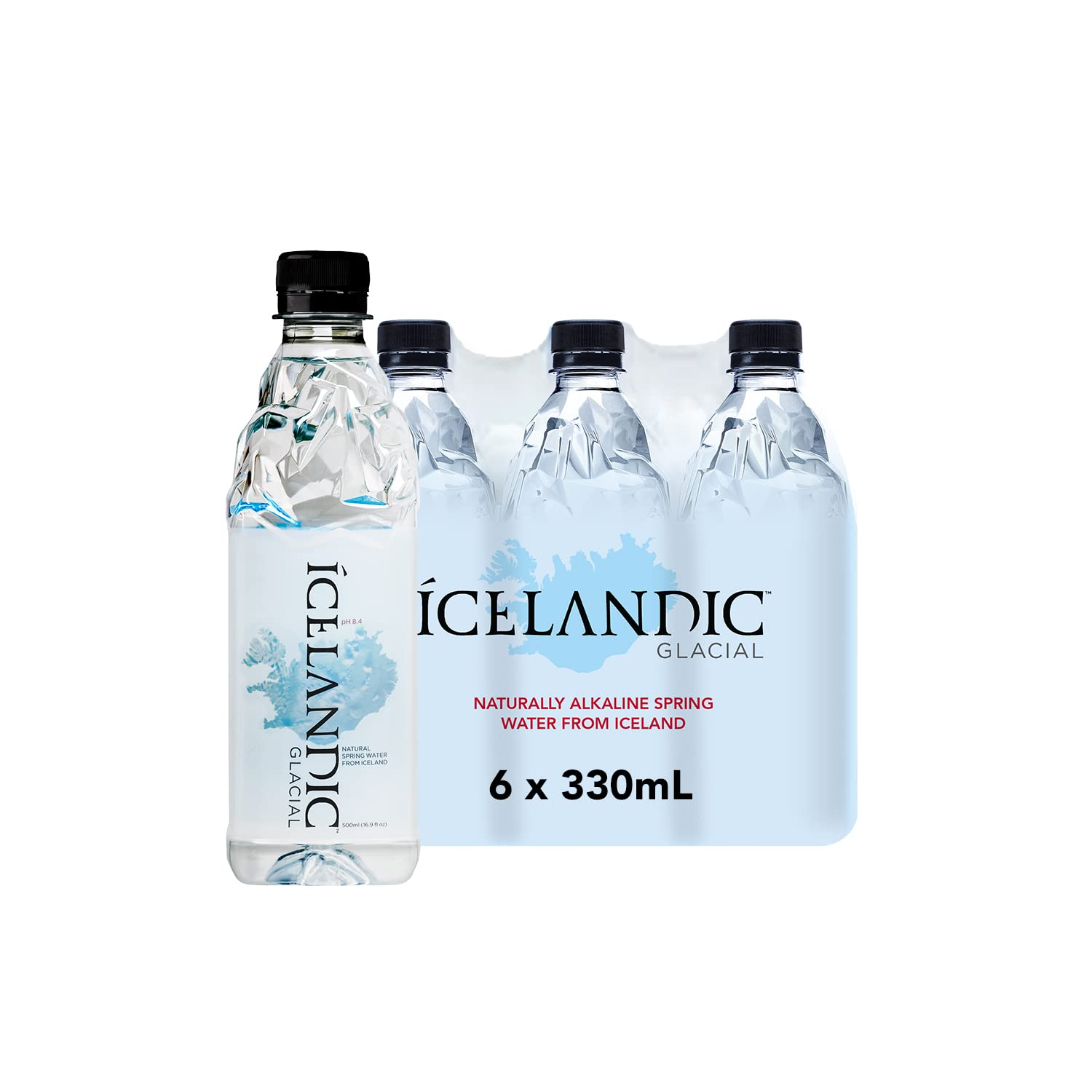
Icelandic Glacial Natural Spring Alkaline Water

Perfect Hydration 9.5+ Ph Alkaline Drinking Water

Body Armor Superdrink Variety Pack
🏆 ConclusionUsing chlorine-free water is key for healthy skin and well-being. Chlorinated water can cause skin problems and health issues. So, it's important to choose safe water. Using good filters and safe showering habits helps a lot. This makes our skin better. Testing water for chlorine is also important. Choosing chlorine-free water helps our health and skin. Clean water makes showers better and keeps us healthy. It's a big step towards a healthier life. 📢 Our Product RecommendationsAfter exploring natural ways to support your well-being, we also want to share carefully selected products that meet our strict quality criteria. When you click on a product link, you will be redirected to Amazon. Depending on your location, Amazon will ship the product from the nearest warehouse or representative office, since The Well Being Way is available across multiple Amazon marketplaces worldwide, ensuring that your shipping costs remain optimal. Please note: These are affiliate links. This means that, at no additional cost to you, we may earn a small commission if you decide to make a purchase. This support helps us continue creating valuable recommendations and inspiring content on our blog and social media. |
❓ FAQWhat is chlorine-free water and why is it important for skin health? Chlorine-free water doesn't have chlorine, a chemical in tap water. It's good for your skin because chlorine can dry and irritate it. Over time, it might even harm your health. How does skin absorption of chlorine occur? Our skin can soak up things like chlorine. Studies show that up to 63% of chlorine can get into your skin when you shower. This depends on the water's temperature and how long you stay in it. Are there health risks associated with chlorine exposure in water? Yes, chlorine in water can cause health problems. It might lead to skin issues like eczema. It could even increase your risk of bladder cancer. It's important to lower chlorine levels in water to stay safe. What are the benefits of using water filtration systems? Water filters remove chlorine and other bad stuff from tap water. This makes your water better. It helps keep your skin healthy by reducing dryness and irritation. You'll stay hydrated and safe while bathing. Do hot showers increase chlorine absorption compared to cold showers? Yes, hot showers make your skin more open to chlorine. Taking cooler showers or using filters can help protect your skin. This keeps your skin's barrier strong. What types of water filtration systems should I consider for my home? You can choose from activated carbon filters, reverse osmosis systems, or UV filters. Each one has its own benefits. They all help make your water better by removing chlorine and other harmful stuff. What are whole home filtration systems, and what are their benefits? Whole home systems filter all the water coming into your house. They make sure your water is chlorine-free for drinking, bathing, and cooking. This keeps your skin safe and makes your water better everywhere in your home. How do point-of-use filters work and what advantages do they offer? Point-of-use filters are set up at specific places like your shower or kitchen sink. They give you filtered water right away. They're cheaper and easier to put in than whole home systems. They're a good way to improve your water quality at the source. How can I test for chlorine levels in my water? You can use home testing kits to check chlorine levels. You can find these at stores or online. Or, you can get a professional to test it for you. Testing your water helps make sure it's safe for you to use. |

Scan the QR code or visit the link to explore the social


Comments
Post a Comment