
A Proactive Guide to Women's Health Through the Decades - Hormone, Skin, and Strength Care at Every Age
Your Body Changes — Your Strategy Evolves
The female body is not static. Hormones, metabolism, skin, muscles, and the way we recover change over the years — and that is not a problem, but an invitation to adjust our strategy.
This guide is not about “fixing symptoms,” but about building a foundation for long-term health. With each decade, the focus subtly shifts:
- in your 20s you build the base
- in your 30s you learn balance
- in your 40s you stabilize the transition
- in your 50+ you preserve strength, bones, and mental clarity
This is an educational, yet practical guide — what to eat, how to move, how to sleep, and which supplements make sense to consider as support, not as shortcuts.

Women in Their 20s — Building the Foundation
In your twenties, the body is resilient, but this is also the time when patterns are formed — patterns that later either pay off or come due.
Hormones, Energy & Cycle
The goal during this period is not “hormone hacking,” but establishing rhythm: a regular cycle, stable sleep, and a healthy stress response.
If you frequently skip meals, sleep irregularly, and train without recovery — the body remembers.
Reproductive health: optimal fertility window, prevent lifestyle-related inflammation.
Nutrition: Simple, but Consistent
Think in frameworks:
- Protein at every meal (eggs, fish, chicken, legumes, tofu)
- Fiber for stable blood sugar (vegetables, berries, oats)
- Healthy fats (olive oil, avocado, nuts)
- Micronutrients important for menstruating women: iron, magnesium, folate
Physical Activity: Build Muscle While It’s Easier
This is the ideal time to:
- Introduce strength training 2–4x per week
- Combine it with light cardio activities (walking, cycling, swimming)
- Add mobility and stretching (yoga, pilates)
- The muscle you build now = reserve for later decades.
Sleep & Stress
It doesn’t have to be perfect, but it has to be consistent.
The same bedtime, at least 7 hours of sleep, and reducing blue light in the evening make a significant difference.
Our Product Recommendations
After exploring natural ways to support your well-being, we also want to share carefully selected products that meet our strict quality criteria.
When you click on a product link, you will be redirected to Amazon. Depending on your location, Amazon will ship the product from the nearest warehouse or representative office, since The Well Being Way is available across multiple Amazon marketplaces worldwide, ensuring that your shipping costs remain optimal.
Please note: These are affiliate links. This means that, at no additional cost to you, we may earn a small commission if you decide to make a purchase. This support helps us continue creating valuable recommendations and inspiring content on our blog and social media.
Supplements for Women in Their 20s
Protein powder (whey or plant-based) for muscle and fullness.

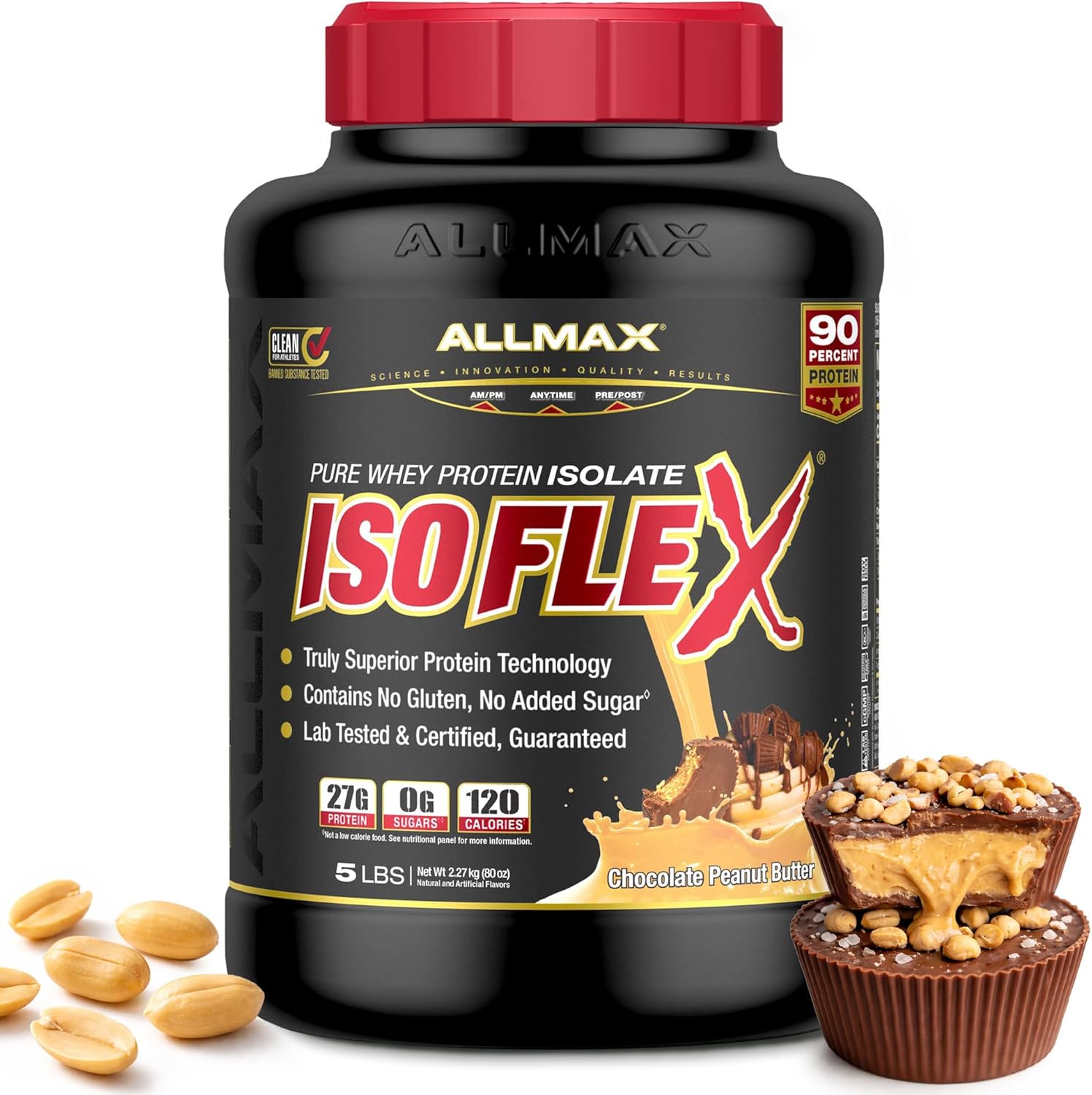


Creatine: supports strength, cognitive function, and training recovery.


Omega-3 (EPA/DHA): anti-inflammatory, skin health, heart health.


Magnesium (glycinate or citrate): sleep quality, stress regulation, pleasant muscle function.


Vitamin D3 + K2: bone health, immune support, potential hormonal balance.


Zinc: supports testosterone in contexts of deficiency, tissue repair.


B-Complex / Folate


Iron (if intake is low)
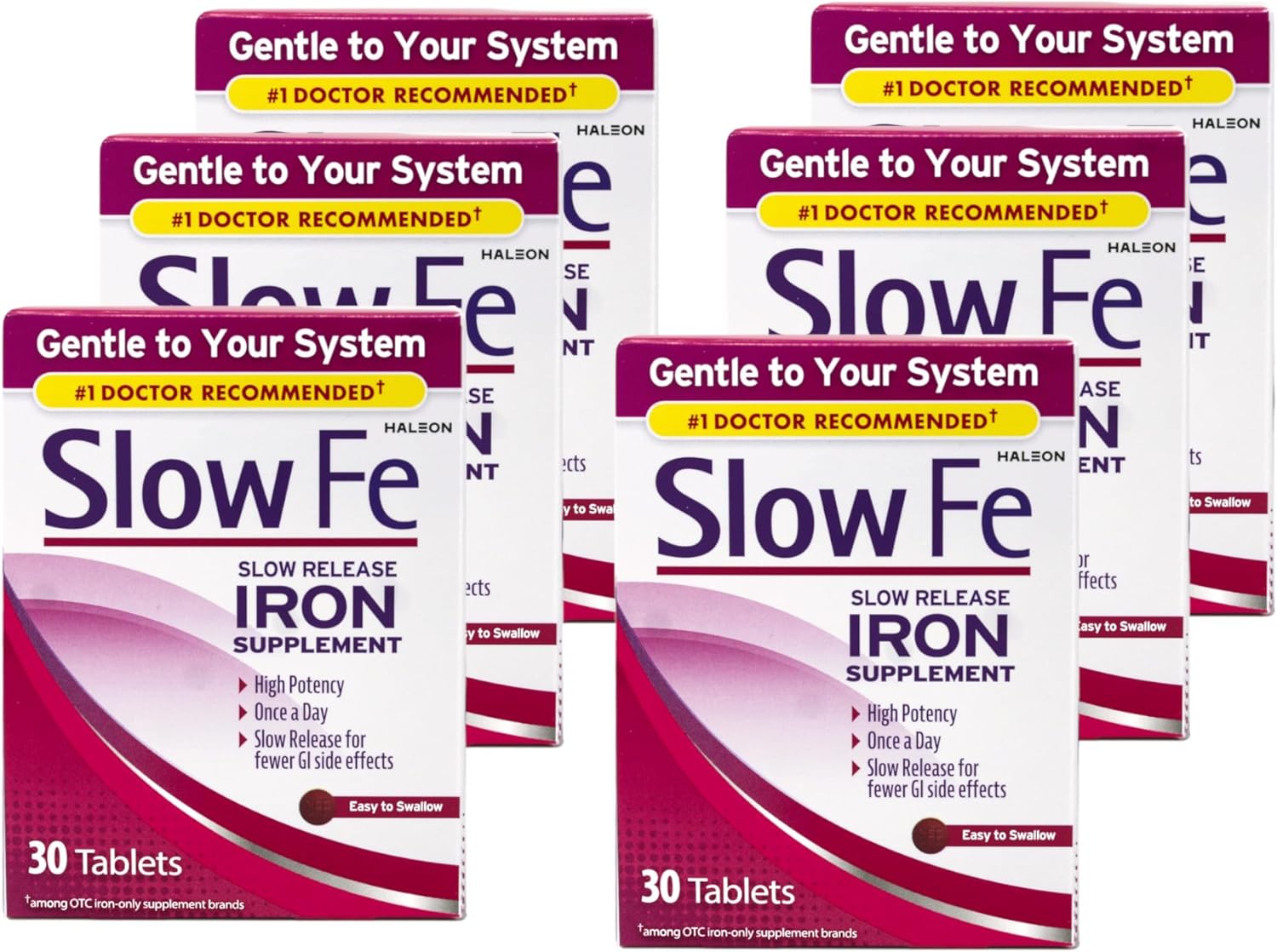

Multivitamins


Accessories & Gadgets
Blue-light blocking glasses


Simple fitness tracker


Foam roller / yoga mat


Women in Their 30s — Balance, Skin & Real-Life Stress
In your thirties, many women experience for the first time: “I’m doing the same things as before, but my body reacts differently.”
Hormones & Cortisol
Work, family, responsibilities — cortisol often becomes the dominant hormone.
The goal is no longer “more discipline,” but better stress regulation.
Skin, Hair & Collagen
Collagen production naturally declines, barrier health, antioxidant protection. This is not solved with creams alone, but through:
- Adequate protein
- Vitamin C from food
- Healthy fats
- Natural Skin Care (Visit the Post)
Nutrition: Supporting Metabolism
Metabolic changes: gradual insulin sensitivity shifts, weight management strategies.
Keep the foundations from your 20s, but add focus on:
- Stable blood sugar (avoiding large spikes)
- Regular meals
- Adequate mineral intake (magnesium, zinc, calcium, iron)
- Antioxidant-rich fruits/vegetables.
Training: Smarter, Not Necessarily Harder
Strength training remains the foundation
Shorter, more intense workouts with proper recovery
Pelvic floor exercises and core stability
Sleep
Sleep becomes non-negotiable. It is not a luxury, but a tool for hormonal balance.
Supplements for Women in Their 30s
Protein


Omega-3


Magnesium


Vitamin D3 + K2

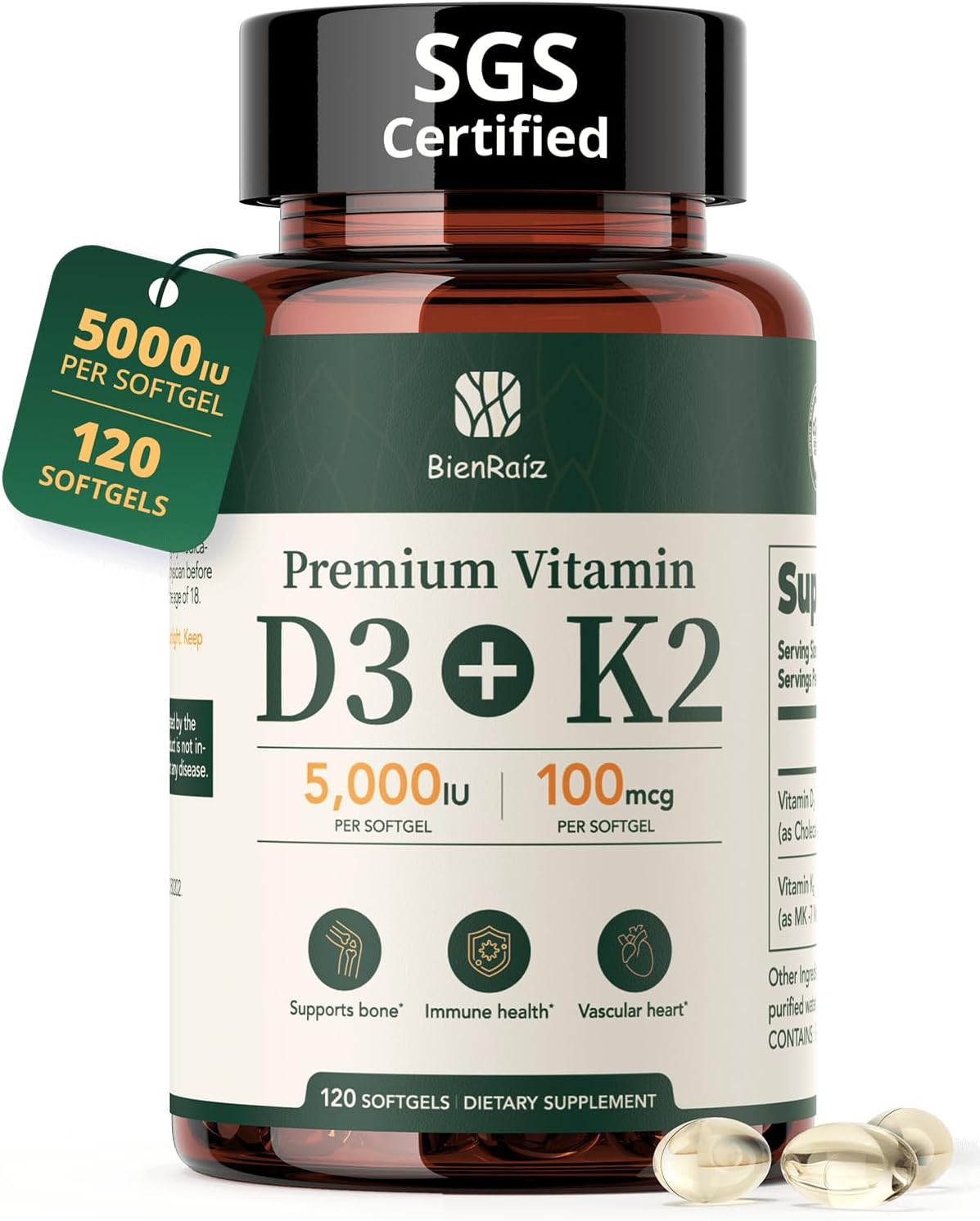
Zinc


Collagen peptides for skin, joints, and connective tissue support.

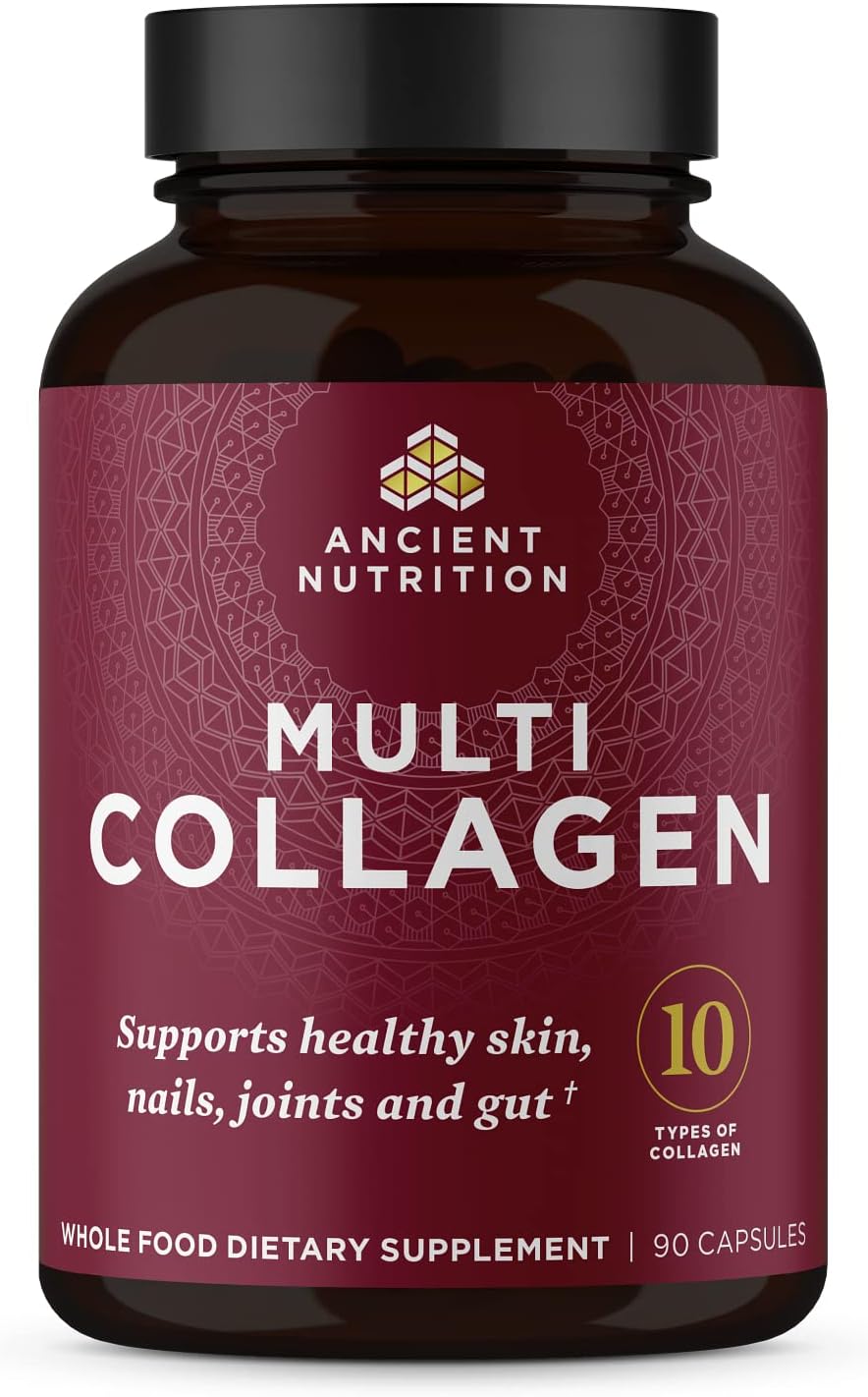
Probiotics (if digestive imbalance exists)


Herbal / Metabolic Support


Berberine (if insulin issues are present)


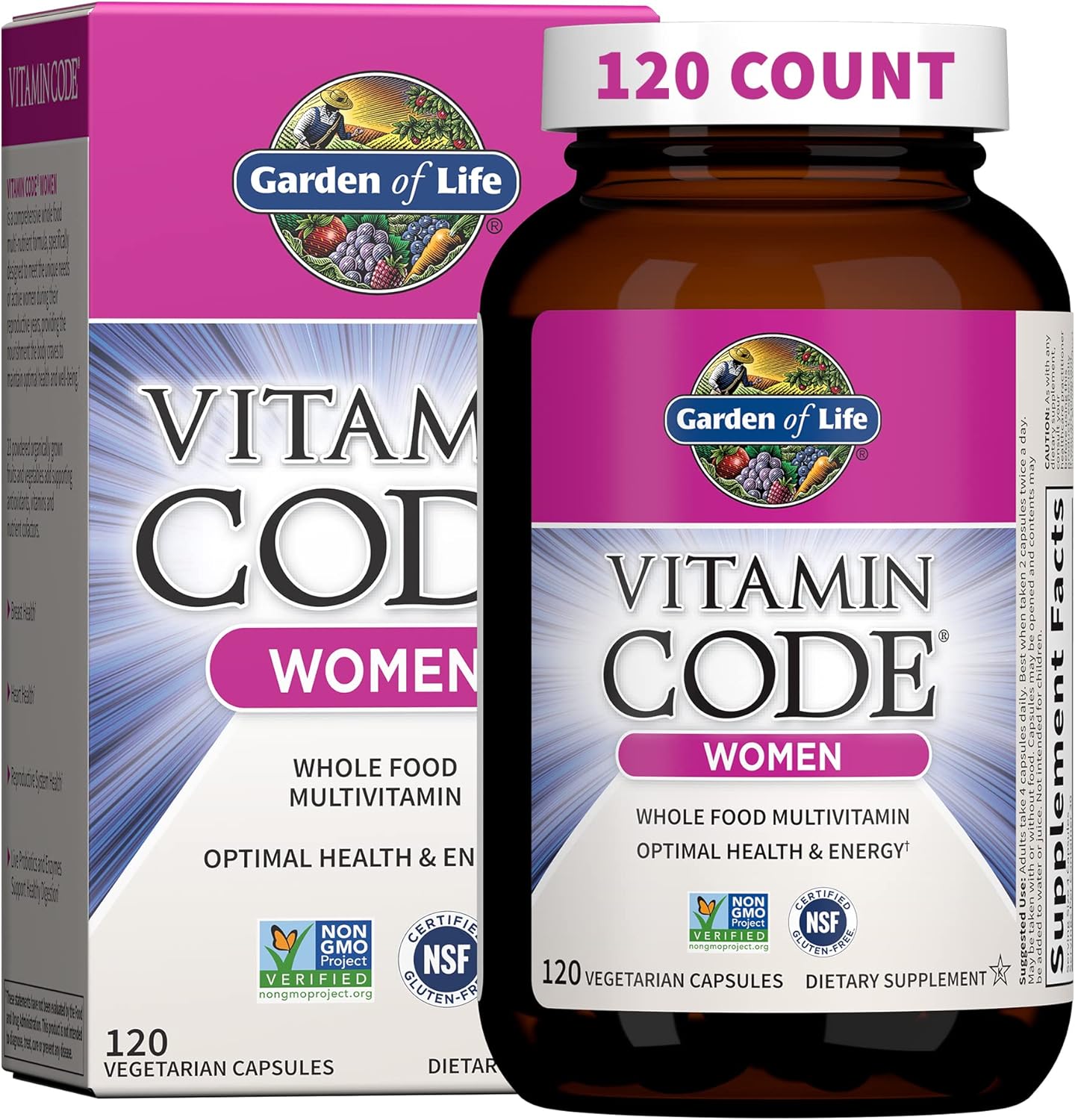
Multivitamins

Accessories
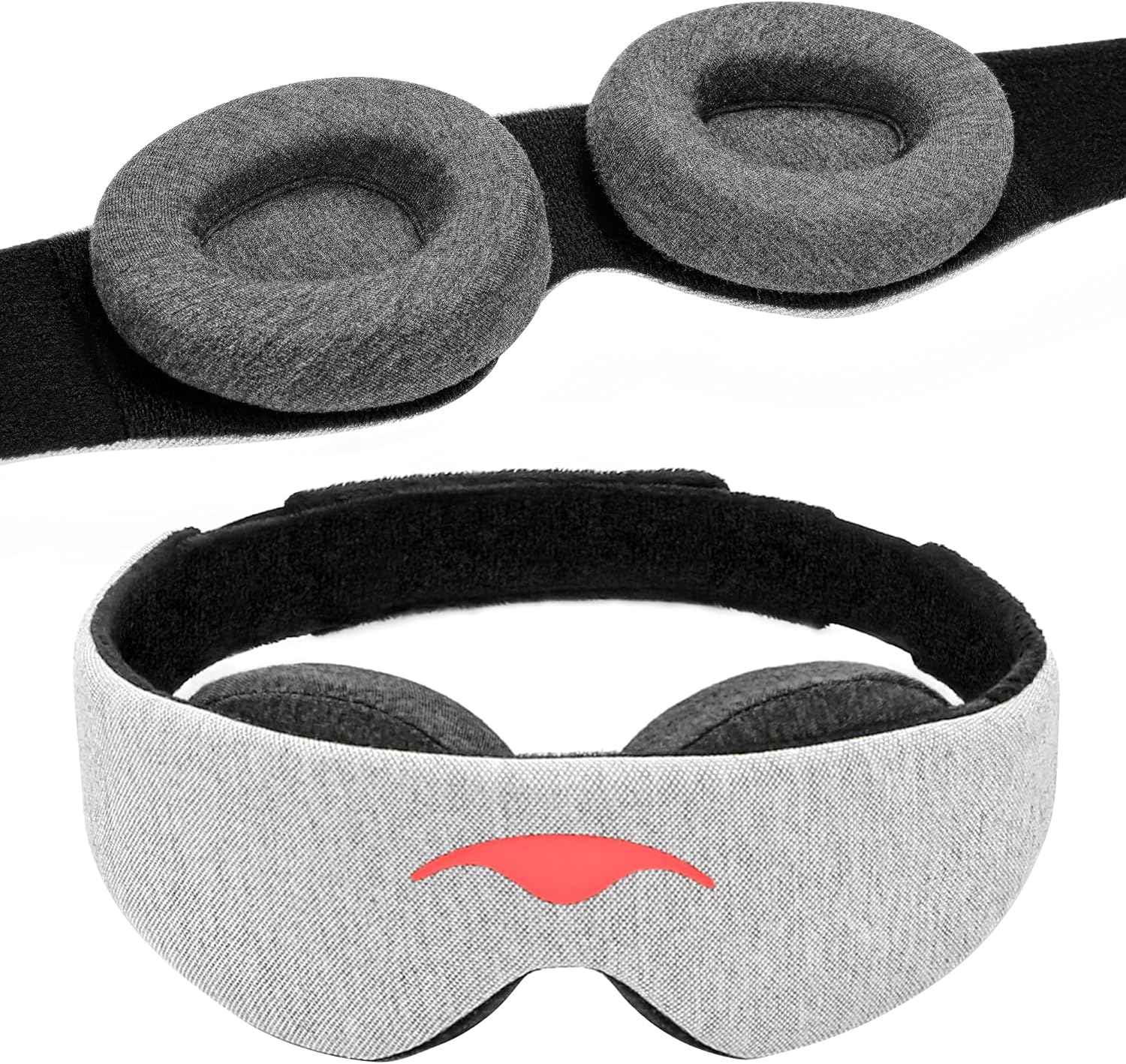
Sleep mask

Blue-light management tools


Women in Their 40s — Navigating Perimenopause with Strength
Your forties are not a “decline,” but a period of adjustment. Estrogen and progesterone no longer play by the same rules.
Skin & collagen: collagen turnover slows; focus on skin hydration and antioxidant defense. You can also visit the post: Natural Skincare
Hormonal Changes
Changes in sleep, mood, energy, and body composition are common — and normal.
Nutrition: Supporting Bones & Muscles
Now it becomes important to prioritize:
- More protein than before
- Calcium from food (leafy greens, sardines, almonds)
- Healthy fats
- Phytoestrogens (soy, flax)
Training: Protect Bones & Metabolism
Muscle mass and fat distribution: stronger emphasis on resistance training and metabolic health.
- Strength training 3–4x per week
- Weight-bearing exercises
- Balance and stability work (injury prevention)
Sleep & Nervous System
Mental health: mood swings and sleep disruptions common; sleep quality protective.
Establish an evening routine:
- Bedtime before 11 PM whenever possible (melatonin support)
- Phone in an EMP/blue-light protective case
- Warm, dark sleep environment
Supplements for Women in Their 40s
Protein


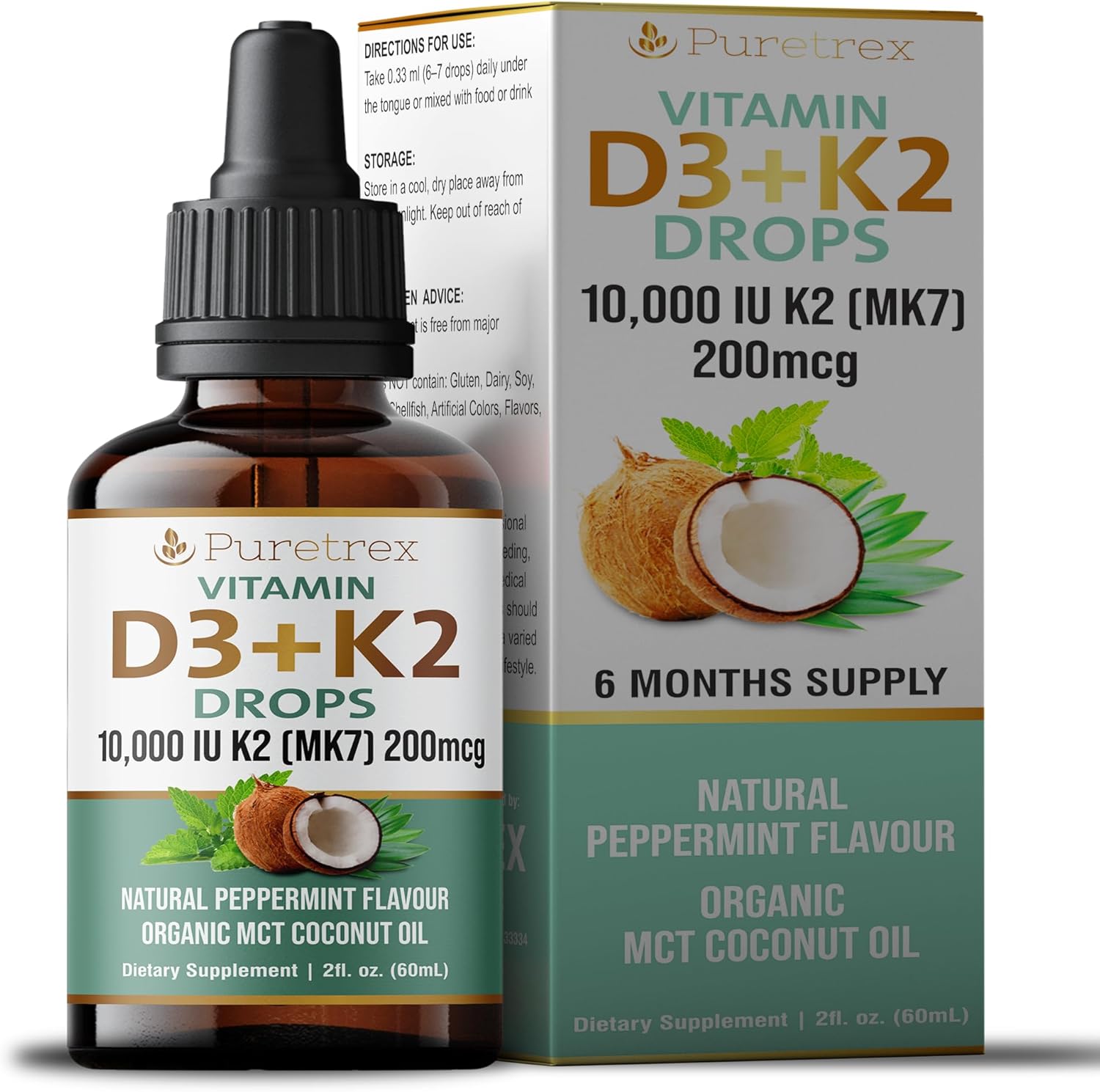
Vitamin D3 + K2

Magnesium


Omega-3


Collagen peptides for skin and joints.


Calcium (if intake is low)


B-Complex for energy metabolism in perimenopause.


Zinc if dietary intake is insufficient.

Multivitamins


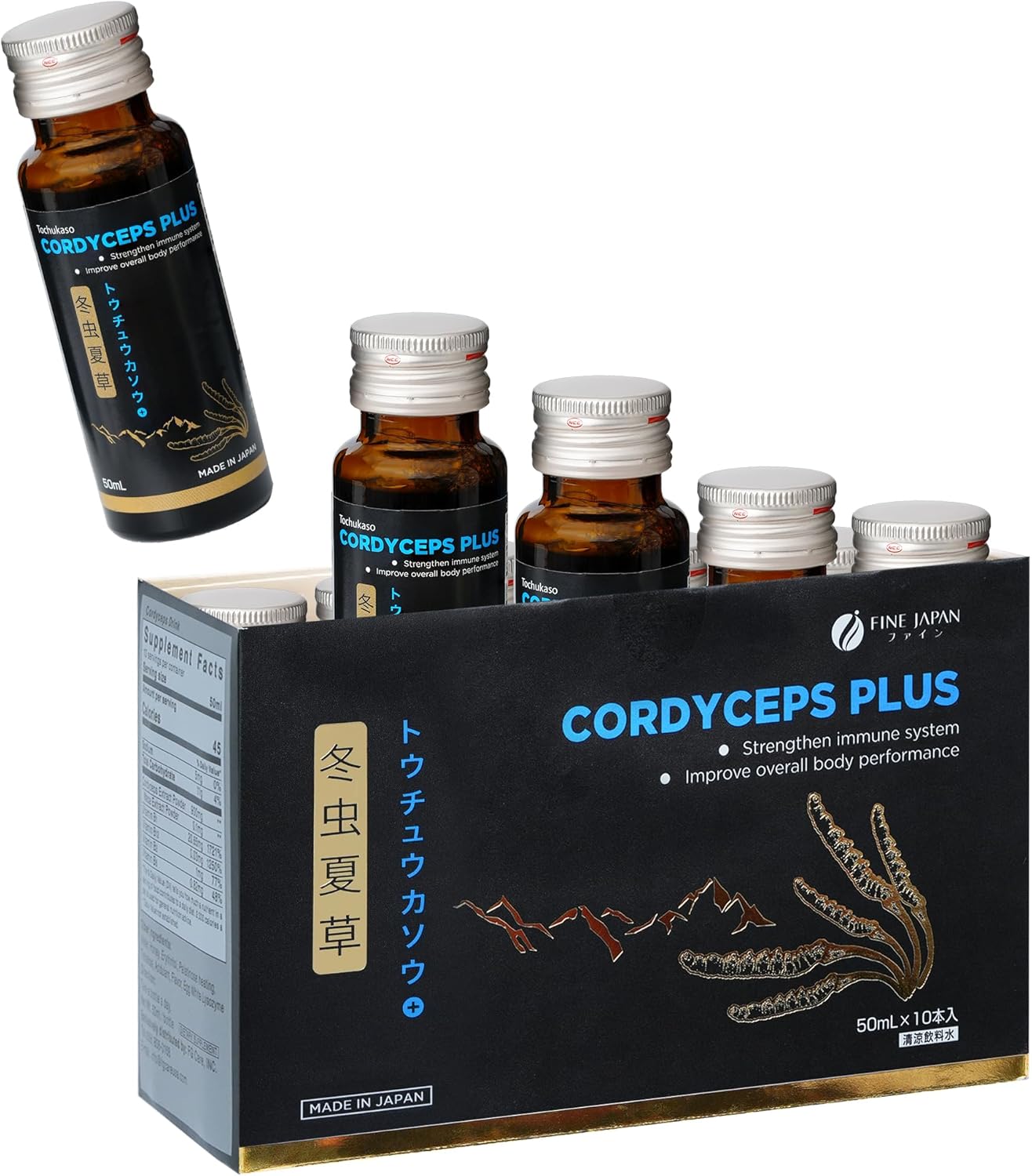
Herbal Blends


Evening primrose oil


Adaptogenic blends (with caution)

Home Accessories
Red light / amber lamp


Weighted blanket


Women 50+ — Menopause, Bones & Cognitive Clarity
After menopause, the focus clearly shifts: strength, bones, heart, and brain.
Hormone transition: menopause; hot flashes; bone density risk; cardiovascular risk management.
Bone health: priority on calcium, vitamin D, vitamin K2; weight-bearing exercise.
Skin, hair, collagen: accelerated aging signs; hydration and antioxidant defense.
Metabolic health: insulin sensitivity shifts; lean muscle preservation becomes critical.
Mental health: cognitive clarity, mood stability; sleep disturbances.
Nutrition: Preserving Muscle
Protein is no longer optional — it is a priority.
Protein 1.2–1.6 g/kg/day; calcium 1,000–1,200 mg; vitamin D 800–2000 IU (depend on baseline); magnesium; omega-3s; fiber-rich foods.
The goal is to preserve strength, not simply to “stay thin.”
Training: Movement as Therapy
Strength training remains essential
Balance exercises
Walking and aerobic activity for heart health
Sleep & Mental Clarity
Night sweats and fragmented sleep are common — routine and environment become crucial.
Supplements for Women 50+
Protein
Vitamin D3 + K2
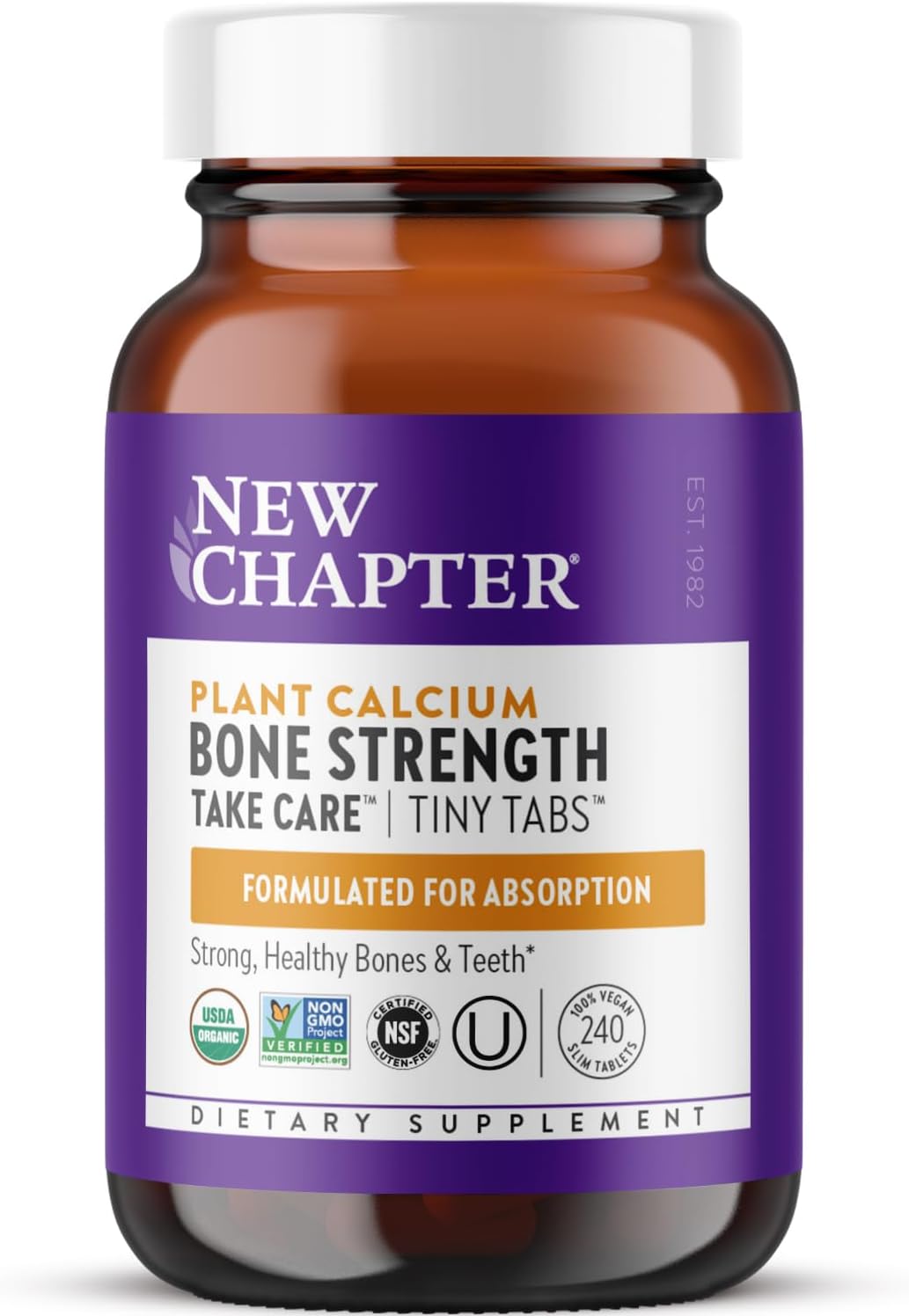
Calcium (according to individual needs)
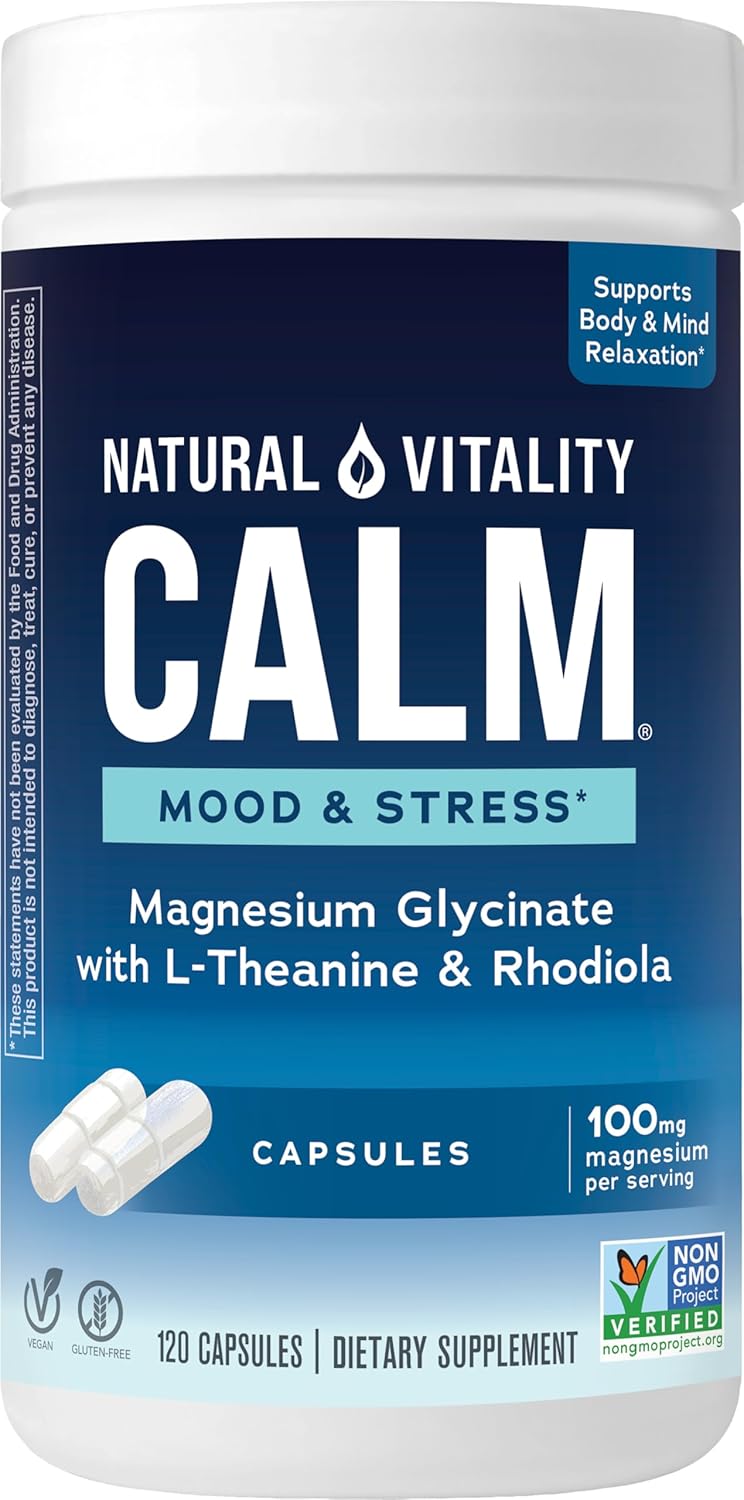
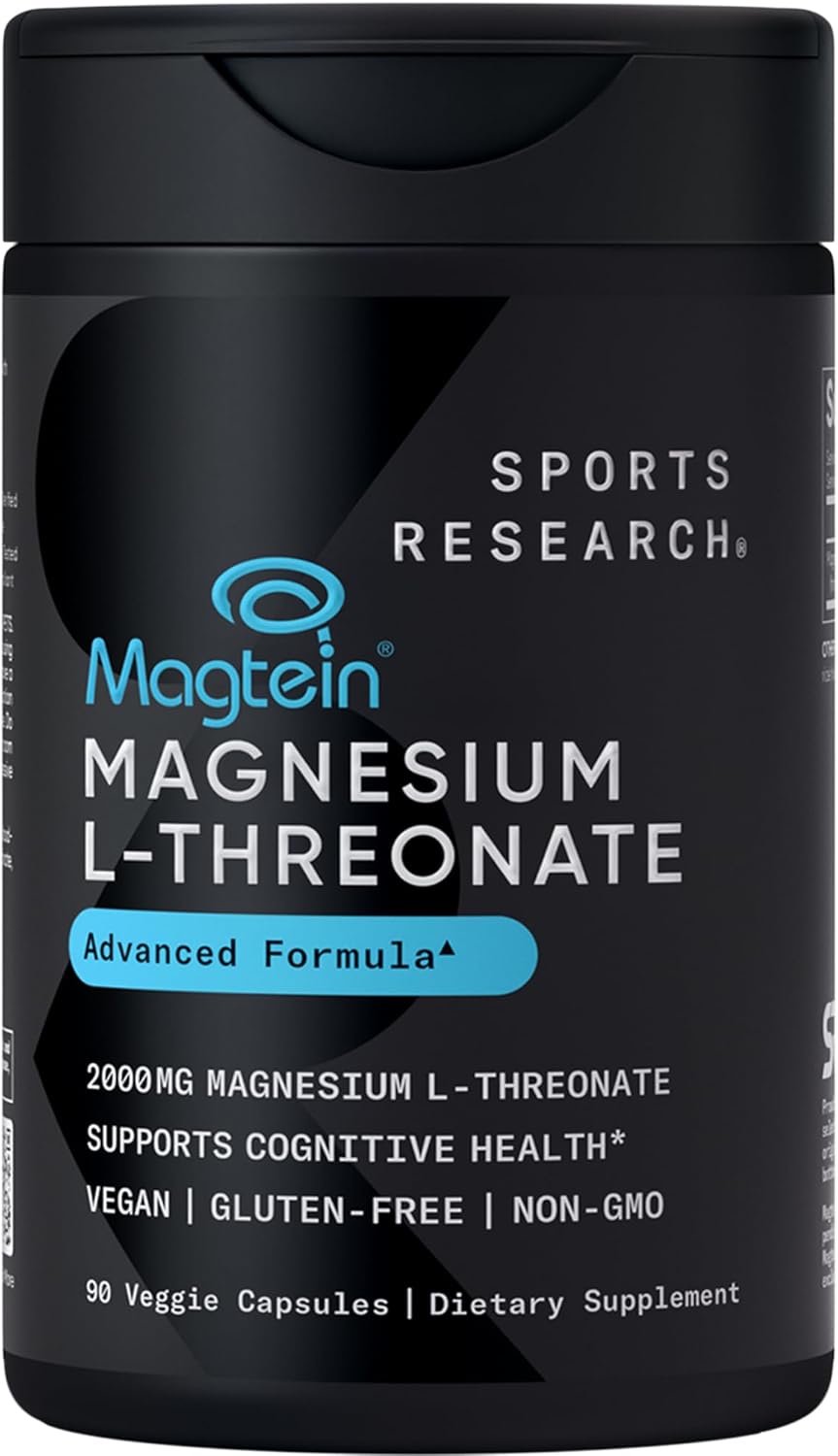
Magnesium for sleep and anxiety support.
Omega-3 for cognitive and heart health.
Collagen peptides for skin and joints.

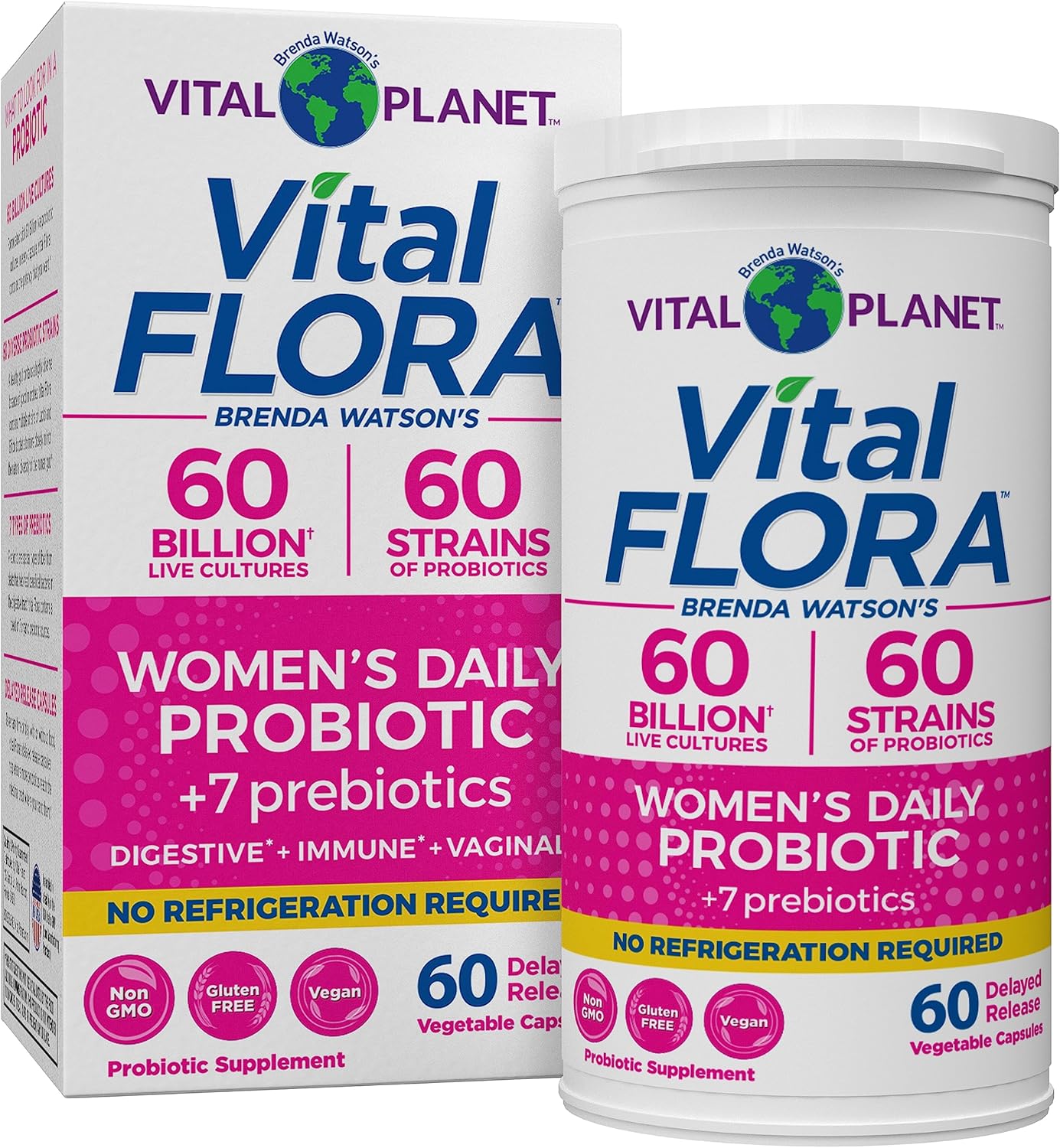
Probiotics for gut health and mood regulation.


Bone support blends (boron, strontium where appropriate)
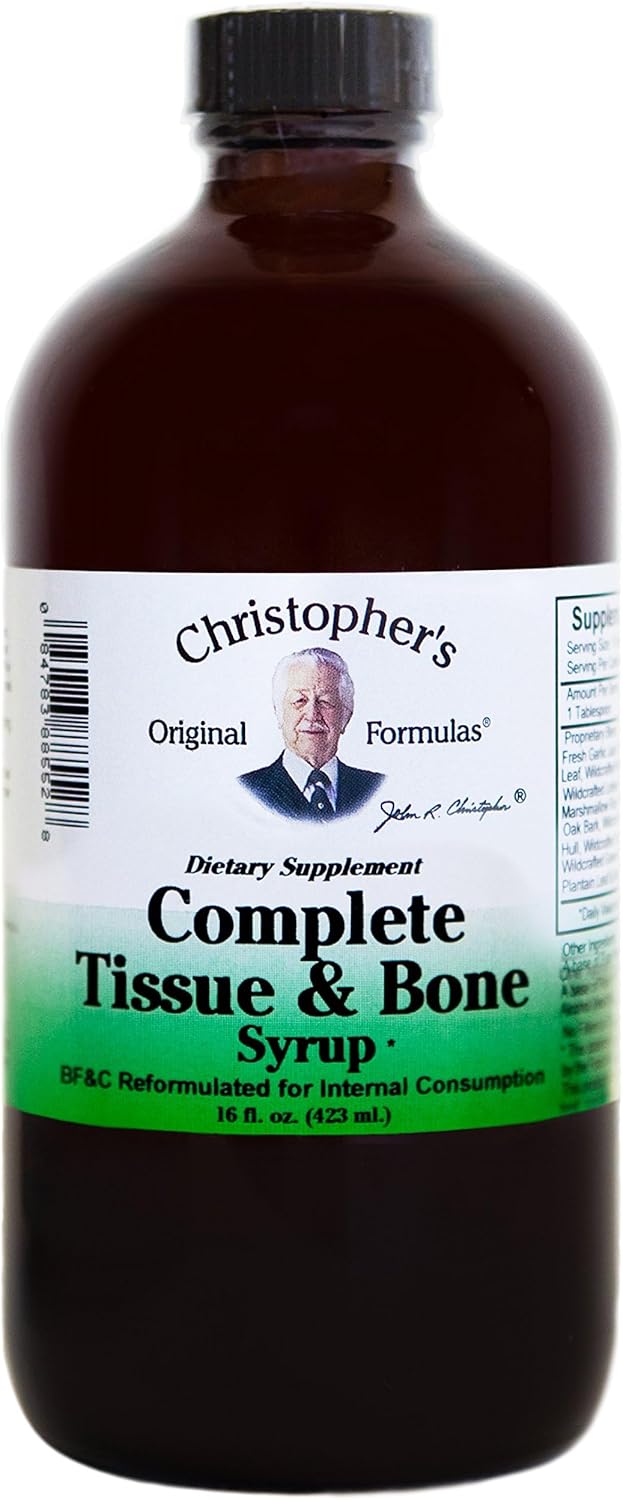


Herbal Support


Menopause support blends (phytoestrogens)


Multivitamins


Home Accessories
Cooling bedding


Sleep-support lighting


Balance boards


Integration: Practical tips that span all ages
Protein and muscle: prioritize daily protein to protect lean mass; distribute intake across meals.
Collagen and skin health: collagen supplementation can support skin and joints; pair with vitamin C-rich foods for collagen synthesis.
Hormone-informed meals: balanced meals with protein, fiber, and healthy fats help stabilize glucose and hormones.
Hydration and mineral balance: electrolytes for performance and recovery; monitor iodine and iron especially for menstruating women.
Sleep hygiene: consistent bedtimes, wind-down routines, blue-light management.
Mental health: stress management practices, social support, mindfulness, and regular check-ins with healthcare providers.
What Matters at Every Age
Regardless of age:
Muscle = longevity
Sleep = hormonal regulator
Food > stimulants
Smart support > quick fixes
Final Note
This guide is educational and preventive in nature. Supplements are support, not a replacement for foundational habits. If there is a medical condition or ongoing therapy — an individualized approach is always best.
Natural Skincare
Powerful Oils & Extracts
The Best Natural Salts
Gut Health Decoded


Comments
Post a Comment