
Non-Toxic Oral Care: Reclaiming Your Mouth from Industrial Dentistry
Why More People Are Questioning What They Put in Their Mouth — Literally
Introduction: Oral Health Is More Than Fresh Breath
When we talk about non-toxic living, we often focus on food, skincare, and household products — yet oral care is one of the most direct chemical exposure pathways in the body.
The mouth is not isolated. It is highly vascularized, connected to the gut, the bloodstream, and the immune system. Substances used daily — toothpaste, mouthwash, even the water we rinse with — interact with oral tissues and the microbiome.
The question is not:
“Natural or chemical?”
The real question is:
Are we supporting the oral ecosystem — or constantly disrupting it?
When we talk about non-toxic living, we often focus on food, skincare, and household products — yet oral care is one of the most direct chemical exposure pathways in the body.
The mouth is not isolated. It is highly vascularized, connected to the gut, the bloodstream, and the immune system. Substances used daily — toothpaste, mouthwash, even the water we rinse with — interact with oral tissues and the microbiome.
The question is not:
“Natural or chemical?”
The real question is:
Are we supporting the oral ecosystem — or constantly disrupting it?
For decades, oral care has been dominated by industrial formulations: synthetic foaming agents, artificial sweeteners, aggressive antiseptics, petroleum-based plastics, and long ingredient lists few people can pronounce.
At the same time, we’re learning more about:
The oral microbiome
Microplastic exposure
Cumulative chemical load
Chronic gum inflammation as a systemic trigger
Your mouth is not separate from your body.
It is the gateway.
And when something is used twice a day, every day, for decades — it matters.
This is not about paranoia.
It’s about reducing unnecessary exposure and choosing supportive alternatives where possible.
At the same time, we’re learning more about:
The oral microbiome
Microplastic exposure
Cumulative chemical load
Chronic gum inflammation as a systemic trigger
Your mouth is not separate from your body.
It is the gateway.
And when something is used twice a day, every day, for decades — it matters.
This is not about paranoia.
It’s about reducing unnecessary exposure and choosing supportive alternatives where possible.

1. What’s Really in Conventional Toothpaste & Mouthwash?
Most commercial oral care products contain combinations of:- Fluoride (sodium fluoride, stannous fluoride)
- Abrasives (hydrated silica, calcium carbonate)
- Foaming agents (SLS – sodium lauryl sulfate)
- Artificial sweeteners (saccharin)
- Preservatives
- Synthetic dyes
- Alcohol (in mouthwashes)
- Chlorhexidine (in prescription rinses)
But true oral health is about balance — not sterilization.
Over-disruption can dry the mouth, disturb beneficial bacteria, and create dependence on temporary freshness rather than resilience.
Ancient tooth brushing relied on natural abrasives and simple tools from nature that were used to mechanically remove plaque. Before the advent of modern toothbrushes and fluoride toothpaste, people used materials such as ash (Pine wood is best), salt, plant twigs and linen rags.
Traditional means and powders
Instead of today's pastes, in the past, various domestic preparations in the form of powder were used:
Wood ash and charcoal: Ash has been used for centuries for its ability to abrasively clean the surface of teeth.
Table salt: Salt served as a mild abrasive and natural antiseptic to help maintain gums.
Baking Soda: Although it is still used today for natural whitening, it was once a basic tool for polishing teeth.
Eggshells and seashells: The ancient Egyptians and Romans used ground eggshells and seashells to create a powerful abrasive to remove limescale.
Sage: Sage leaves were used to rub the teeth, which helps in whitening and strengthening the gums.
Traditional means and powders
Instead of today's pastes, in the past, various domestic preparations in the form of powder were used:
Wood ash and charcoal: Ash has been used for centuries for its ability to abrasively clean the surface of teeth.
Table salt: Salt served as a mild abrasive and natural antiseptic to help maintain gums.
Baking Soda: Although it is still used today for natural whitening, it was once a basic tool for polishing teeth.
Eggshells and seashells: The ancient Egyptians and Romans used ground eggshells and seashells to create a powerful abrasive to remove limescale.
Sage: Sage leaves were used to rub the teeth, which helps in whitening and strengthening the gums.
Miswak (Salvadora Persica-chewing sticks): One of the oldest natural oral care tools in the world, with a history spanning more than 7,000 years. Long before modern toothbrushes and toothpaste, people relied on this remarkable chewing stick to keep their teeth and gums healthy. Naturally antibacterial and antiseptic, Miswak helps reduce plaque, supports healthy gums with its anti-inflammatory properties, and may contribute to natural teeth whitening while helping prevent cavities. It is also an eco-friendly, chemical-free alternative to plastic toothbrushes.
Preparing a Miswak is simple: remove the outer bark from one end using a knife, scissors, or by gently biting it, soak the tip in water for about 15 minutes, then gently chew the end until the natural fibers separate into soft bristles. Once prepared, it is ready to use just like a toothbrush. Sometimes the oldest solutions are still around for a reason—and Miswak remains a timeless example of natural, effective oral care.

Miswak Sticks
Oil Pulling: This ancient method involves swishing cold-pressed oil (usually sunflower, sesame, olive or coconut) in the mouth for 10-15 minutes to draw out toxins and bacteria.
Folk customs for fresh breath
Plants rich in essential oils were used to remove unpleasant odors:
Chewing medicinal herbs: For freshness, leaves of mint, sage (which also whitens teeth), parsley or cloves were chewed.
Apples and Hard Vegetables: Eating apples has been considered a "natural toothbrush" because their fibrous texture mechanically cleans the teeth during chewing.
Plants rich in essential oils were used to remove unpleasant odors:
Chewing medicinal herbs: For freshness, leaves of mint, sage (which also whitens teeth), parsley or cloves were chewed.
Apples and Hard Vegetables: Eating apples has been considered a "natural toothbrush" because their fibrous texture mechanically cleans the teeth during chewing.
Which of these can we apply in the modern way of life?
People who live in cities do not have access to all traditional ingredients, but we bring you a quick recipe that you can prepare, resources that you can get immediately by clicking, as well as recommendations for non-toxic toothpastes.
People who live in cities do not have access to all traditional ingredients, but we bring you a quick recipe that you can prepare, resources that you can get immediately by clicking, as well as recommendations for non-toxic toothpastes.
Coconut Oil & Oil Pulling
Coconut oil contains lauric acid, which shows antimicrobial activity in laboratory settings.
Research suggests oil pulling may:
Reduce Streptococcus mutans
Support gum health
Improve breath
It does not replace brushing.
It may complement it.
Important: Baking Soda Warning
Baking soda (sodium bicarbonate) is mildly abrasive.
Occasional use is acceptable.
Frequent use may damage dental enamel — the protective outer layer of the tooth.
Moderation is essential.
Coconut oil contains lauric acid, which shows antimicrobial activity in laboratory settings.
Research suggests oil pulling may:
Reduce Streptococcus mutans
Support gum health
Improve breath
It does not replace brushing.
It may complement it.
Important: Baking Soda Warning
Baking soda (sodium bicarbonate) is mildly abrasive.
Occasional use is acceptable.
Frequent use may damage dental enamel — the protective outer layer of the tooth.
Moderation is essential.
Natural Oil Pulling Blend
Natural formulation focus on supporting, not disrupting, your mouth's microbiome
Ingredients:
1 tbsp coconut oil
2 drops tea tree oil
2 drops peppermint oil
Use:
Swish 5–10 minutes (morning, empty stomach). Spit out.
Do not swallow.
Benefits:
Supports gum health
Reduces bad breath
Helps remove bacteria
Natural formulation focus on supporting, not disrupting, your mouth's microbiome
Ingredients:
1 tbsp coconut oil
2 drops tea tree oil
2 drops peppermint oil
Use:
Swish 5–10 minutes (morning, empty stomach). Spit out.
Do not swallow.
Benefits:
Supports gum health
Reduces bad breath
Helps remove bacteria
Antibacterial Mouthwash (for bacteria and bad breath)
Ingredients
1 cup warm filtered water
½ tsp unrefined sea salt or Himalayan salt
1 drop Tea Tree Essential Oil
1 drop Peppermint Essential Oil
How to use
Swish in the mouth for 30–60 seconds
Spit out
Do not swallow
Why it works
Tea tree oil provides natural antimicrobial action
Peppermint helps freshen breath and inhibit bacteria
Mineral salt may help soothe inflamed gums
Ingredients
1 cup warm filtered water
½ tsp unrefined sea salt or Himalayan salt
1 drop Tea Tree Essential Oil
1 drop Peppermint Essential Oil
How to use
Swish in the mouth for 30–60 seconds
Spit out
Do not swallow
Why it works
Tea tree oil provides natural antimicrobial action
Peppermint helps freshen breath and inhibit bacteria
Mineral salt may help soothe inflamed gums
Gum-Support Mouthwash (for sensitive or bleeding gums)
Ingredients
1 cup warm water
1 tsp Aloe Vera Gel
½ tsp Himalayan or sea salt
1 drop Clove Essential Oil
How to use
Swish for about 30 seconds
Spit out after use
Why it works
Clove contains natural compounds that help reduce oral bacteria
Aloe vera may soothe gum tissue
Salt supports gum comfort and oral balance
Ingredients
1 cup warm water
1 tsp Aloe Vera Gel
½ tsp Himalayan or sea salt
1 drop Clove Essential Oil
How to use
Swish for about 30 seconds
Spit out after use
Why it works
Clove contains natural compounds that help reduce oral bacteria
Aloe vera may soothe gum tissue
Salt supports gum comfort and oral balance
Important
Always dilute essential oils before using them in oral care.
Use no more than 1–2 total drops per cup of liquid.
Do not swallow essential oils.
Never apply essential oils directly to gums or oral tissue without dilution.
Bonus tip for a more natural oral care routine
Consider switching to:
a wooden toothbrush with natural plant bristles
silk or bamboo dental floss coated with natural wax
These options reduce exposure to plastics and synthetic materials commonly found in conventional oral care products.
Always dilute essential oils before using them in oral care.
Use no more than 1–2 total drops per cup of liquid.
Do not swallow essential oils.
Never apply essential oils directly to gums or oral tissue without dilution.
Bonus tip for a more natural oral care routine
Consider switching to:
a wooden toothbrush with natural plant bristles
silk or bamboo dental floss coated with natural wax
These options reduce exposure to plastics and synthetic materials commonly found in conventional oral care products.
Resource recommendations:
Our Product Recommendations
After exploring natural ways to support your well-being, we also want to share carefully selected products that meet our strict quality criteria.
When you click on a product link, you will be redirected to Amazon. Depending on your location, Amazon will ship the product from the nearest warehouse or representative office, since The Well Being Way is available across multiple Amazon marketplaces worldwide, ensuring that your shipping costs remain optimal.
Please note: These are affiliate links. This means that, at no additional cost to you, we may earn a small commission if you decide to make a purchase. This support helps us continue creating valuable recommendations and inspiring content on our blog and social media.
Our Product Recommendations
After exploring natural ways to support your well-being, we also want to share carefully selected products that meet our strict quality criteria.
When you click on a product link, you will be redirected to Amazon. Depending on your location, Amazon will ship the product from the nearest warehouse or representative office, since The Well Being Way is available across multiple Amazon marketplaces worldwide, ensuring that your shipping costs remain optimal.
Please note: These are affiliate links. This means that, at no additional cost to you, we may earn a small commission if you decide to make a purchase. This support helps us continue creating valuable recommendations and inspiring content on our blog and social media.
DIY Oil Pulling:

Raw Coconut Oil

Organic Pulling Oil

Pulling Oil

Tea Tree Oil

Peppermint Oil

Clove Extract
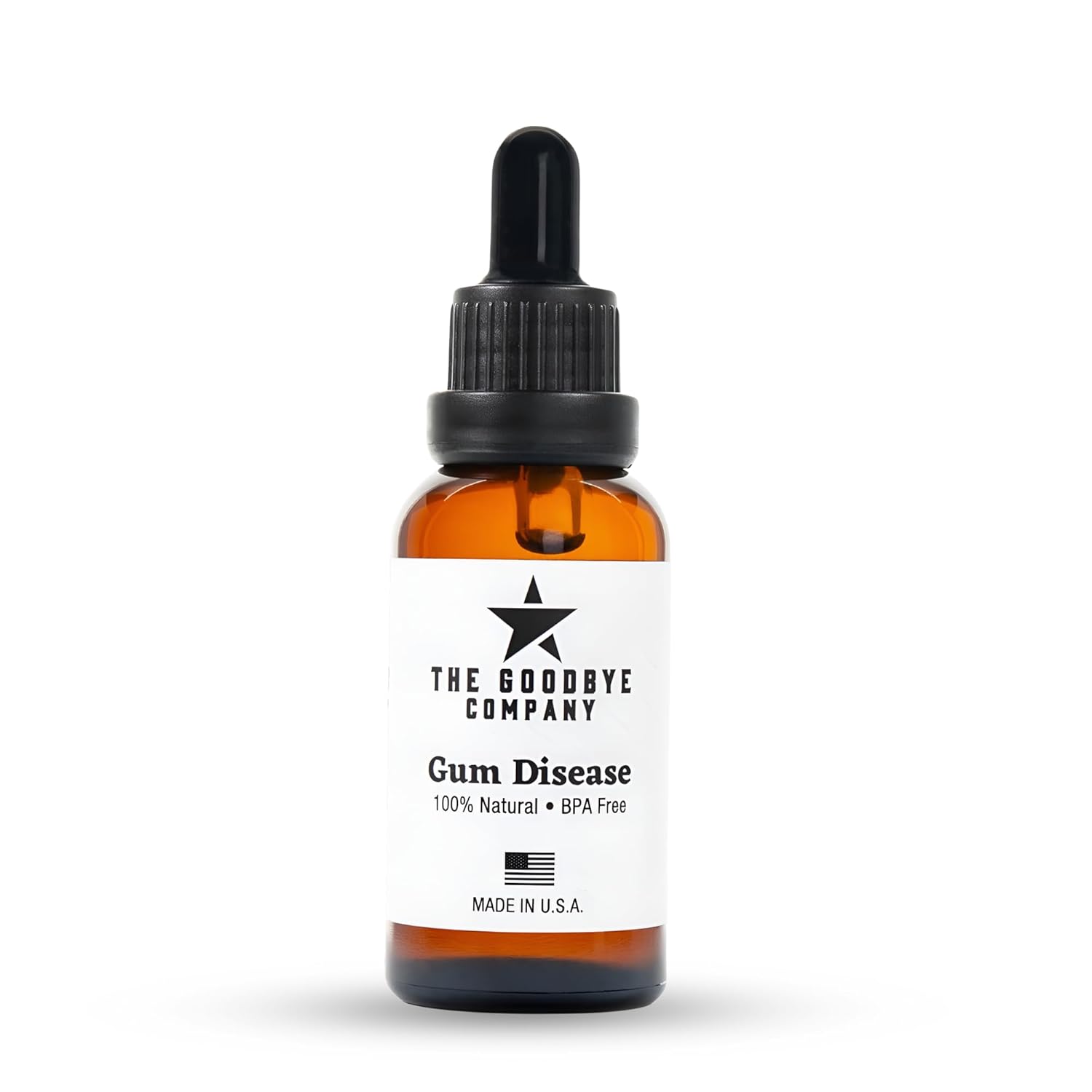
Neem & Clove Oil

Aloe Vera Gel
Non-Toxic Toothpaste:
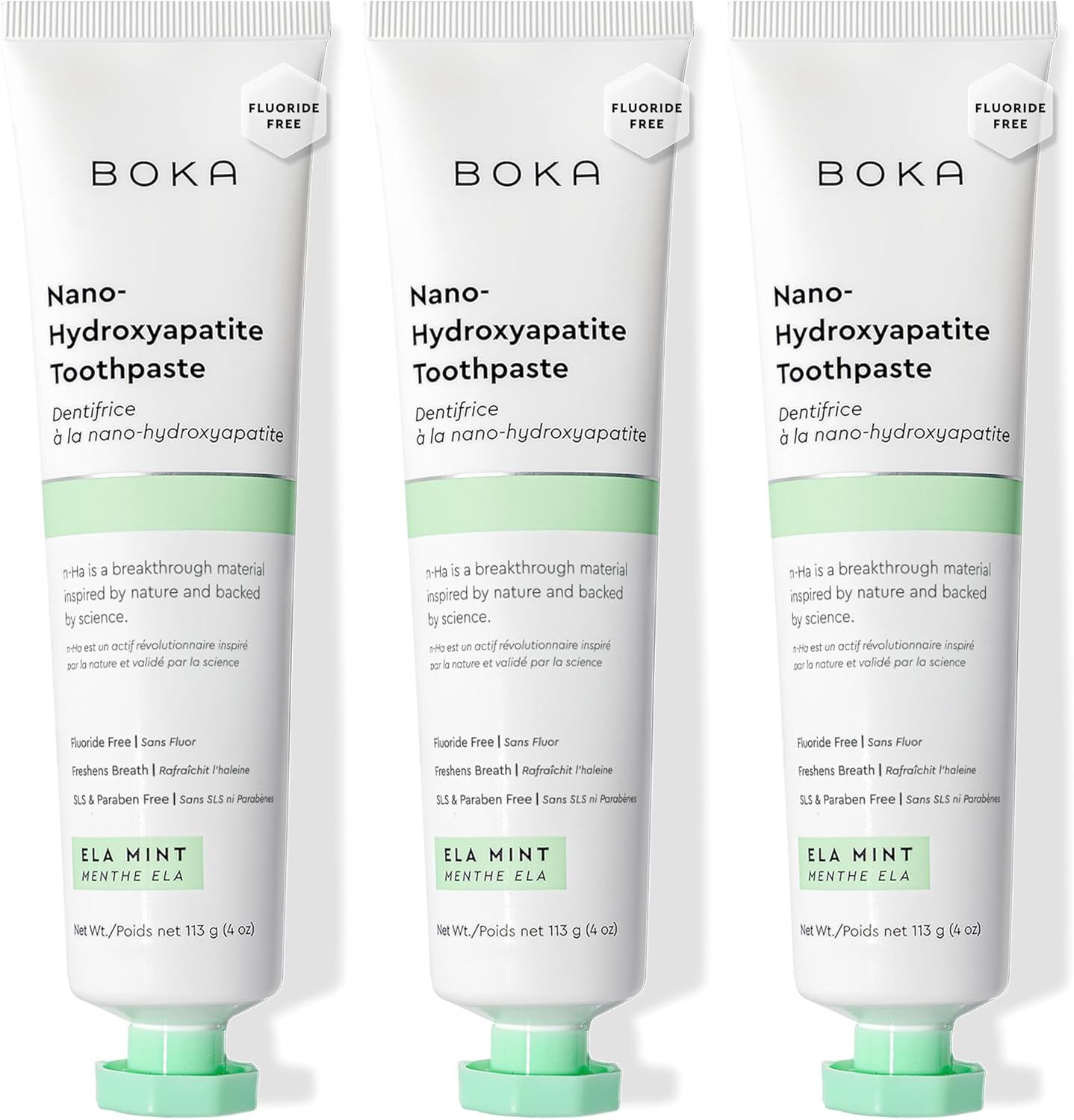
Oral Care Toothpaste

Xylitol Toothpaste

Essentials Toothpaste

RiseWell Mineral
2. Alcohol-Based Mouthwash: The Microbiome Question
Many store-bought mouthwashes promise “99.9% bacteria kill.”But oral health is not about eliminating all bacteria.
It’s about maintaining balance.
Alcohol-based rinses can:
Dry out the oral cavity
Disrupt beneficial bacteria
Provide temporary freshness rather than long-term balance
This is where natural microbiome-supportive approaches gain relevance.
Natural Oral Care Recipes:
Clove-Infused Oral Elixir
Ingredients:
1 cup water
5–6 cloves
Small cinnamon stick
How to use:
Boil → cool → use as mouth rinse
Benefits:
Strong antibacterial properties
Supports sensitive gums
Naturally freshens breath
Lemon & Sea Salt Gum Tonic
Ingredients:
1 cup warm water
Juice of half a lemon
Pinch of sea salt
Use: 30 seconds after brushing
Note:
Lemon is acidic. Avoid daily use. Rinse with plain water after to protect enamel.
Benefits:
Refreshes breath
Supports oral pH balance
Gentle detox for the mouth
Ingredients:
1 cup warm water
Juice of half a lemon
Pinch of sea salt
Use: 30 seconds after brushing
Note:
Lemon is acidic. Avoid daily use. Rinse with plain water after to protect enamel.
Benefits:
Refreshes breath
Supports oral pH balance
Gentle detox for the mouth
Herbal Gum Soothing Rinse
Ingredients:
1 cup chamomile tea (cooled)
1 tsp dried sage
2 cloves
Steep → strain → rinse 1–2x daily
Benefits:
Calms irritated gums
Supports inflammation control and gentle antimicrobial balance.
Ingredients:
1 cup chamomile tea (cooled)
1 tsp dried sage
2 cloves
Steep → strain → rinse 1–2x daily
Benefits:
Calms irritated gums
Supports inflammation control and gentle antimicrobial balance.
Commercial vs Natural: The Real Difference
Commercial:
Fast, aggressive
Often temporary freshness
Disruptive to microbiome (depending on formula)
Natural:
Gentle, Supportive
Gradual
Microbiome-aware
Lower synthetic exposure
Commercial:
Fast, aggressive
Often temporary freshness
Disruptive to microbiome (depending on formula)
Natural:
Gentle, Supportive
Gradual
Microbiome-aware
Lower synthetic exposure
Conclusion: True Oral Health Is About Balance
The goal is not to eliminate all bacteria.
It is to cultivate a resilient, balanced oral ecosystem.
The goal is not to eliminate all bacteria.
It is to cultivate a resilient, balanced oral ecosystem.
Choosing natural alternatives can help protect your gums, support your microbiome, and reduce unnecessary chemical exposure in your daily routine.
It takes just 5 minutes to make one of these recipes - no excuses.
Small actions create powerful habits, and choosing natural, non-toxic solutions is how a healthy home truly begins.
It takes just 5 minutes to make one of these recipes - no excuses.
Small actions create powerful habits, and choosing natural, non-toxic solutions is how a healthy home truly begins.
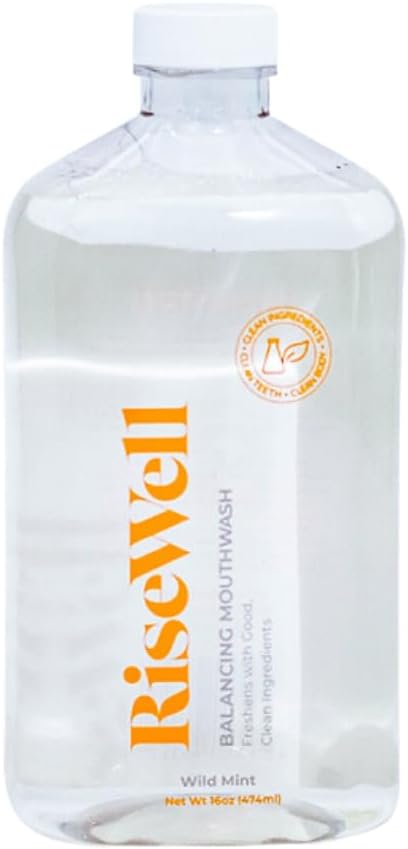
Balancing Mouthwash

Ayurvedic Mouthwash
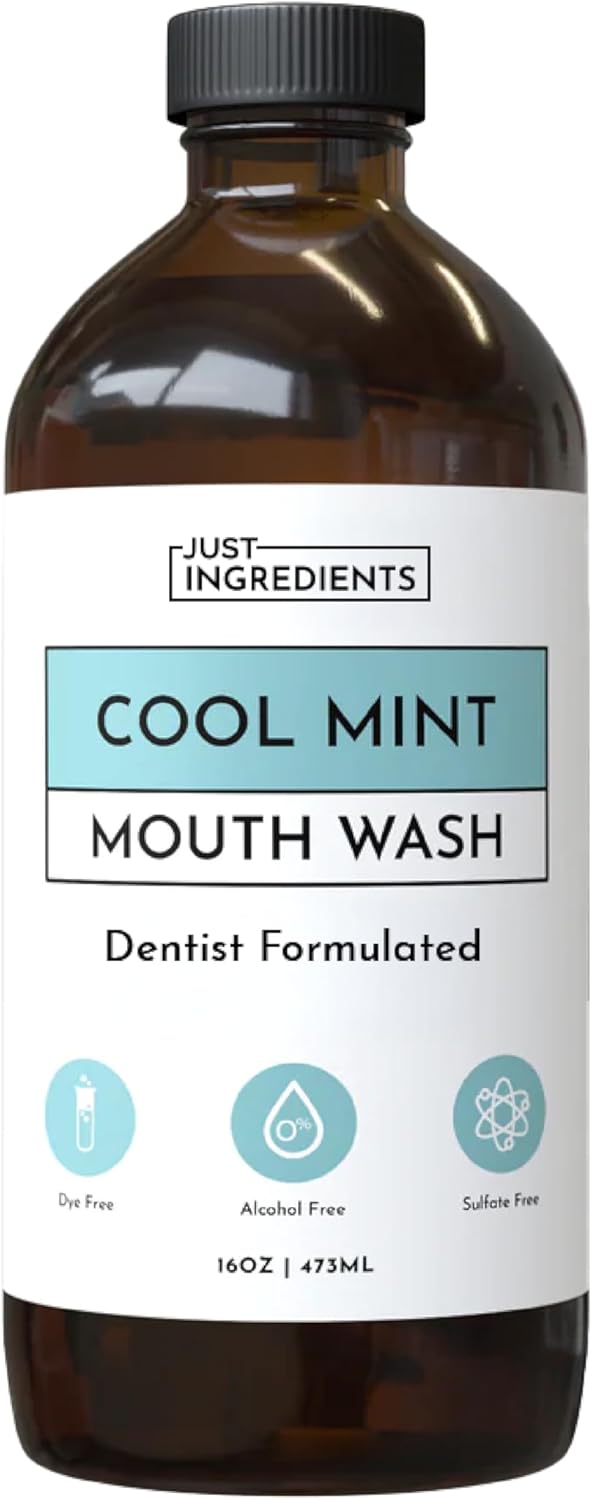
Cool Mint Mouthwash

Wicked Fresh
3. Plastic Toothbrushes & Microplastics
Standard toothbrushes are petroleum-based plastic.They:
Shed microplastic over time
Sit in humid bathrooms collecting bacteria
End up in landfills for centuries
Upgrade: Bamboo & Natural Bristle Toothbrushes
A better option:
Bamboo handle
BPA-free or natural bristles
Minimal packaging
Some brands offer plant-based or charcoal-infused bristles.
This is a simple non-toxic swap that reduces both personal and environmental load.

Premium Toothbrush

Luxurious Toothbrush
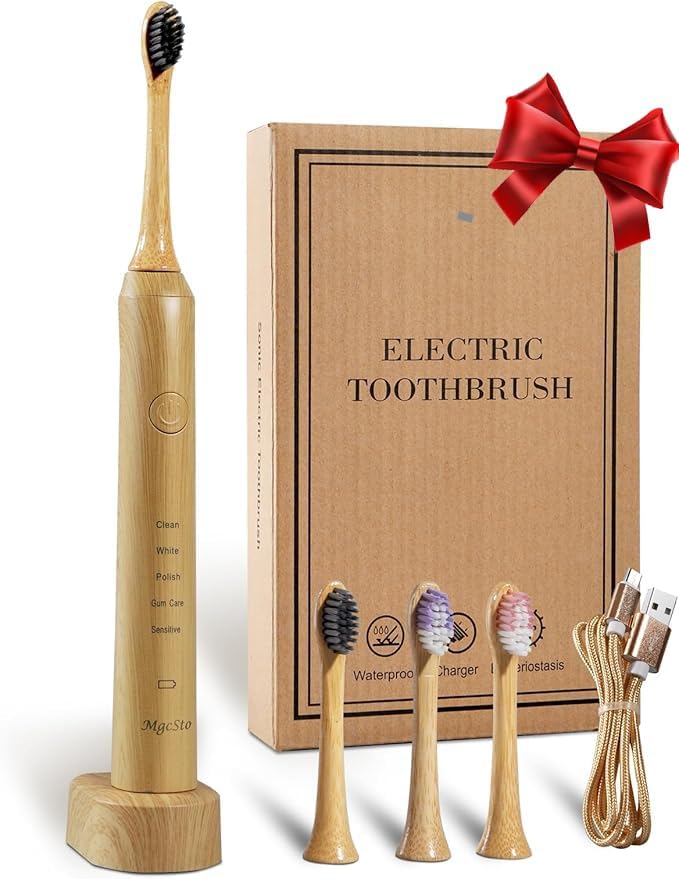
Electric Toothbrush

Bamboo Electric
Don’t Forget Dental Floss
Most conventional floss is:
Nylon-based
Coated in synthetic wax
Sometimes treated with PFAS-like compounds
Better alternatives:
Silk floss
Plant-based floss
Beeswax-coated natural floss
Small swap. Big difference over decades.
Most conventional floss is:
Nylon-based
Coated in synthetic wax
Sometimes treated with PFAS-like compounds
Better alternatives:
Silk floss
Plant-based floss
Beeswax-coated natural floss
Small swap. Big difference over decades.

Natural Floss
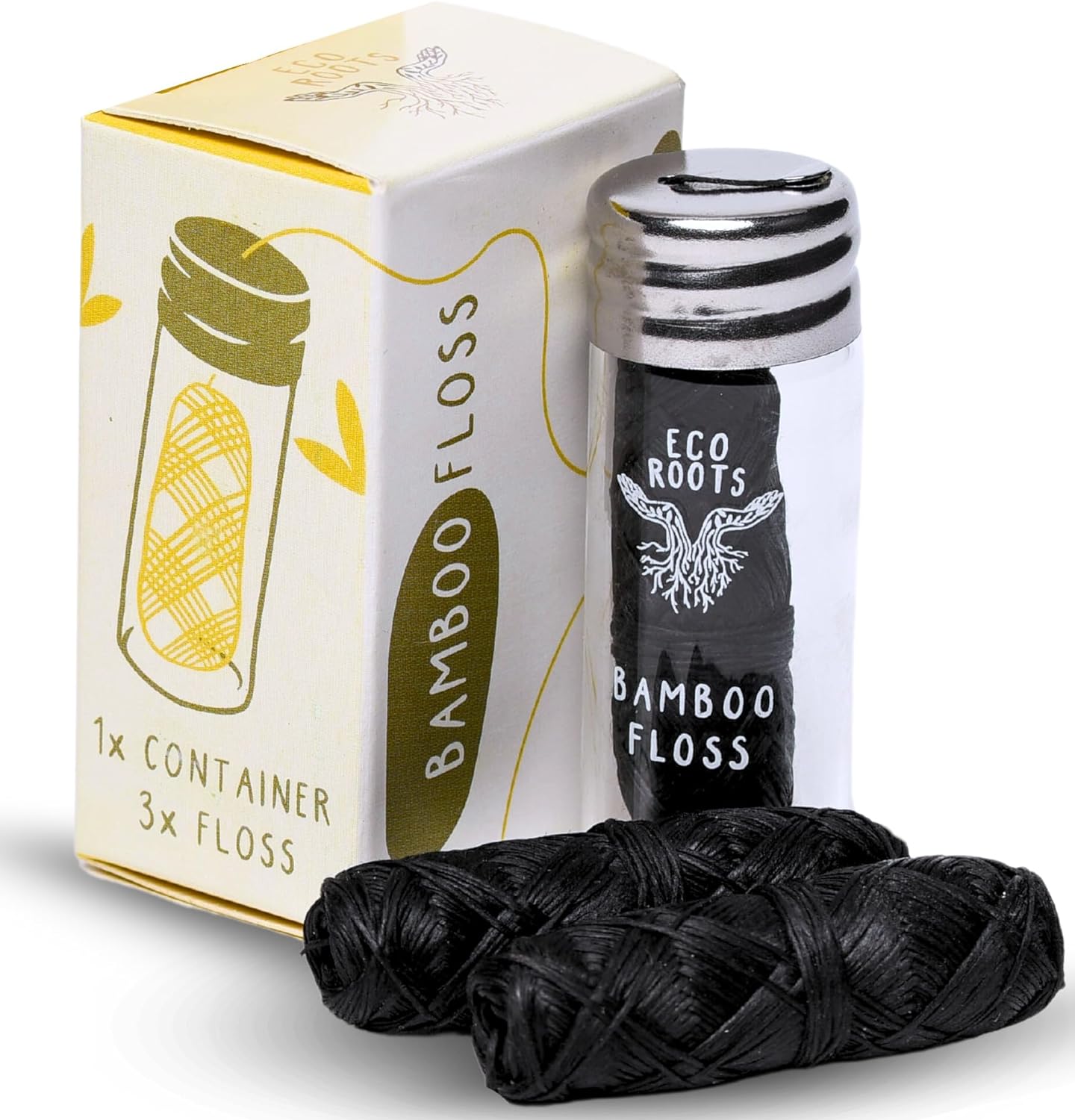
Bamboo Dental Floss

Tea Tree Dental Floss

Floss Pick
UV Toothbrush Sanitizers
Toothbrushes sit exposed in humid bathrooms.
UV sterilizers:
Reduce bacterial accumulation
Keep bristles cleaner between uses
Add an extra hygiene layer for families
They’re not complicated.
They’re practical.
Toothbrushes sit exposed in humid bathrooms.
UV sterilizers:
Reduce bacterial accumulation
Keep bristles cleaner between uses
Add an extra hygiene layer for families
They’re not complicated.
They’re practical.
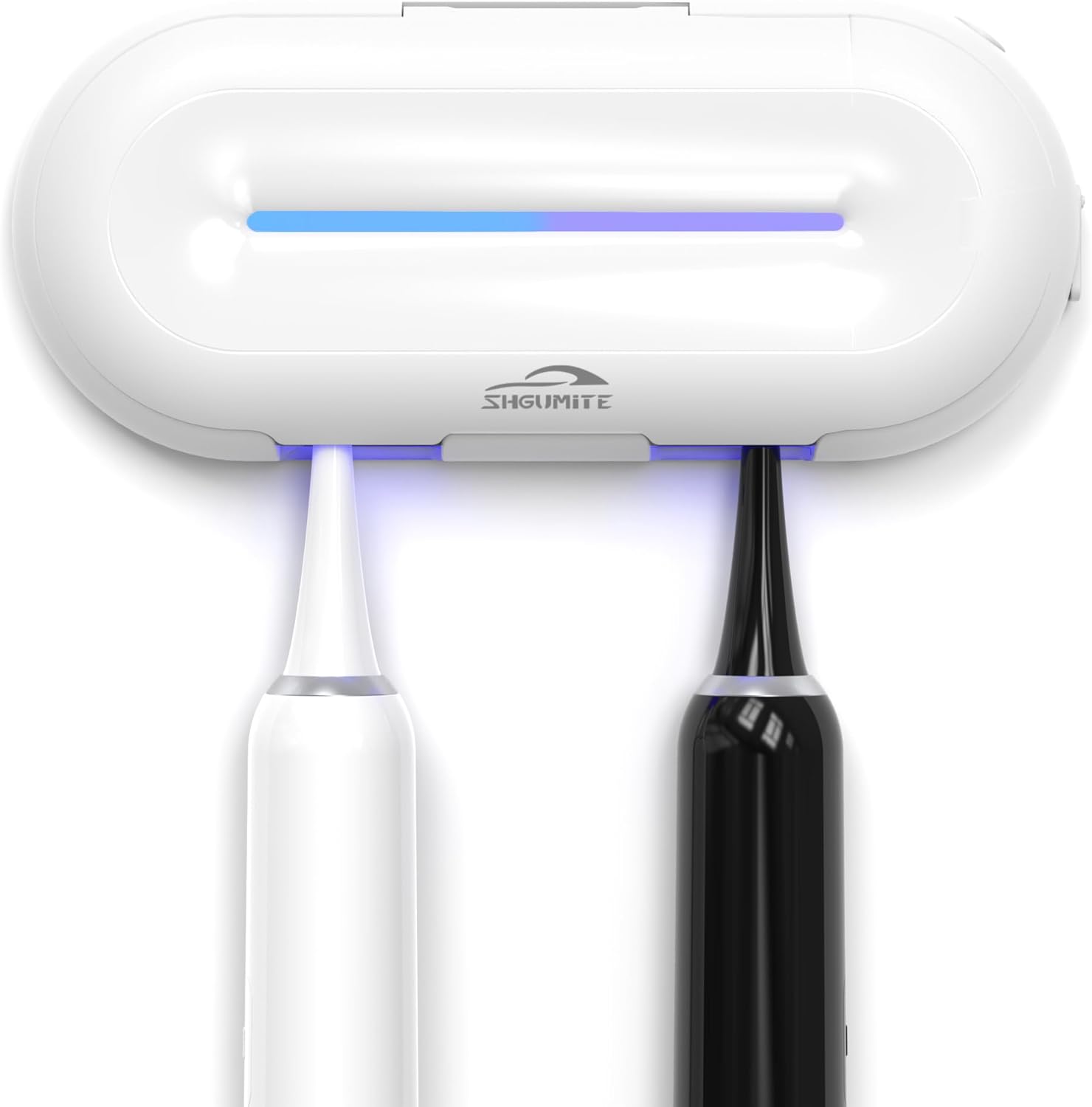
Toothbrush Holder

UV Sanitizer

Electric Holder

UV Countertop
Tongue Scraping: Stainless Steel & Copper
Tongue scraping reduces:
Reduced volatile sulfur compounds (bad breath)
Bacterial buildup
Morning coating
Improved taste perception
Stainless Steel
Durable
Easy to sterilize
Long-lasting
Copper
Naturally antimicrobial
Traditionally used in Ayurvedic practice
Copper has long been valued for its cleansing properties. Many people prefer it as part of a holistic oral ritual.
Tongue scraping reduces:
Reduced volatile sulfur compounds (bad breath)
Bacterial buildup
Morning coating
Improved taste perception
Stainless Steel
Durable
Easy to sterilize
Long-lasting
Copper
Naturally antimicrobial
Traditionally used in Ayurvedic practice
Copper has long been valued for its cleansing properties. Many people prefer it as part of a holistic oral ritual.

Copper Scraper

Tongue Scraper

Metal Cleaner

S. Steel Scraper
Final Thoughts
True oral health is not about eliminating every microbe.
It’s about creating a stable, resilient ecosystem.
Non-toxic swaps that make sense:
Clean-ingredient toothpaste
Bamboo toothbrush
Natural floss
UV sanitation
Tongue scraping
Herbal rinses
Occasional oil pulling
It takes 5 minutes to make a rinse.
It takes one click to upgrade your brush.
Small daily choices compound over decades.
True oral health is not about eliminating every microbe.
It’s about creating a stable, resilient ecosystem.
Non-toxic swaps that make sense:
Clean-ingredient toothpaste
Bamboo toothbrush
Natural floss
UV sanitation
Tongue scraping
Herbal rinses
Occasional oil pulling
It takes 5 minutes to make a rinse.
It takes one click to upgrade your brush.
Small daily choices compound over decades.
Visit our social networks and YouTube channel: https://website.beacons.ai/thewellbeingway


Comments
Post a Comment