
The Healing Power of Herbal Teas
A practical guide to daily rituals, symptom support, and functional blends
Warm fluids alone won’t cure illness—but the right herbs can meaningfully support comfort, recovery, and resilience.
This guide brings together traditional wisdom, modern understanding, and practical blends you can actually use daily.

Morning Herbal Teas for Energy, Digestion & Focus
How you start your morning sets the tone for your entire day. The right tea can gently wake up your body, support digestion after fasting overnight, and give you steady, calm energy without the crash. Instead of shocking your system, these teas help you transition into the day with clarity, balance, and sustained focus.
Our product recommendation is based on strict quality criteria: organic, without artificial additives, most of them are premium products.
Please note: These are affiliate links. This means that, at no additional cost to you, we may earn a small commission if you decide to make a purchase. This support helps us continue creating valuable recommendations and inspiring content on our blog and social media.
Green Tea
Gentle energy boost, supports metabolism, enhances focus.
Why it works: Contains caffeine + L-theanine for calm alertness.

Ginger Tea
Stimulates digestion, reduces bloating, warms the body.
Why it works: Supports gut mobility and circulation.

Lemon & Warm Water
Supports hydration, digestion, and liver function.
Why it works: Rehydrates the body after sleep and stimulates digestion.

Peppermint Tea (during the day)
Clears brain fog, refreshes breath, supports digestion.
Why it works: Menthol has a naturally invigorating effect.

Matcha Tea
Sustained energy, improved concentration, antioxidant support.
Why it works: Higher L-theanine content balances caffeine release.

Turmeric & Black Pepper Tea
Supports anti-inflammatory pathways and joint comfort.
Why it works: Curcumin absorption improves with black pepper.

Rosemary Tea
Enhances mental clarity and circulation.
Why it works: Traditionally used to stimulate memory and alertness.

Cinnamon Tea
Supports blood sugar balance and steady energy.
Why it works: Helps reduce sharp glucose spikes in the morning.
Good Night Teas + Benefits
Evenings are not just about rest—they’re about preparing your body to truly recover. The right tea can calm your nervous system, reduce mental noise, ease digestion, and signal to your body that it’s time to slow down. Instead of carrying stress into sleep, these teas help create a smoother transition into deep, restorative rest.

Chamomile Tea
Benefits: Calms the nervous system, reduces mild anxiety, supports deeper sleep.
Why it works: Contains apigenin, a compound linked to relaxation.

Lemon Balm Tea
Benefits: Eases stress, soothes digestion, promotes mental calm before sleep.
Why it works: Traditionally used for nervous tension and restlessness.
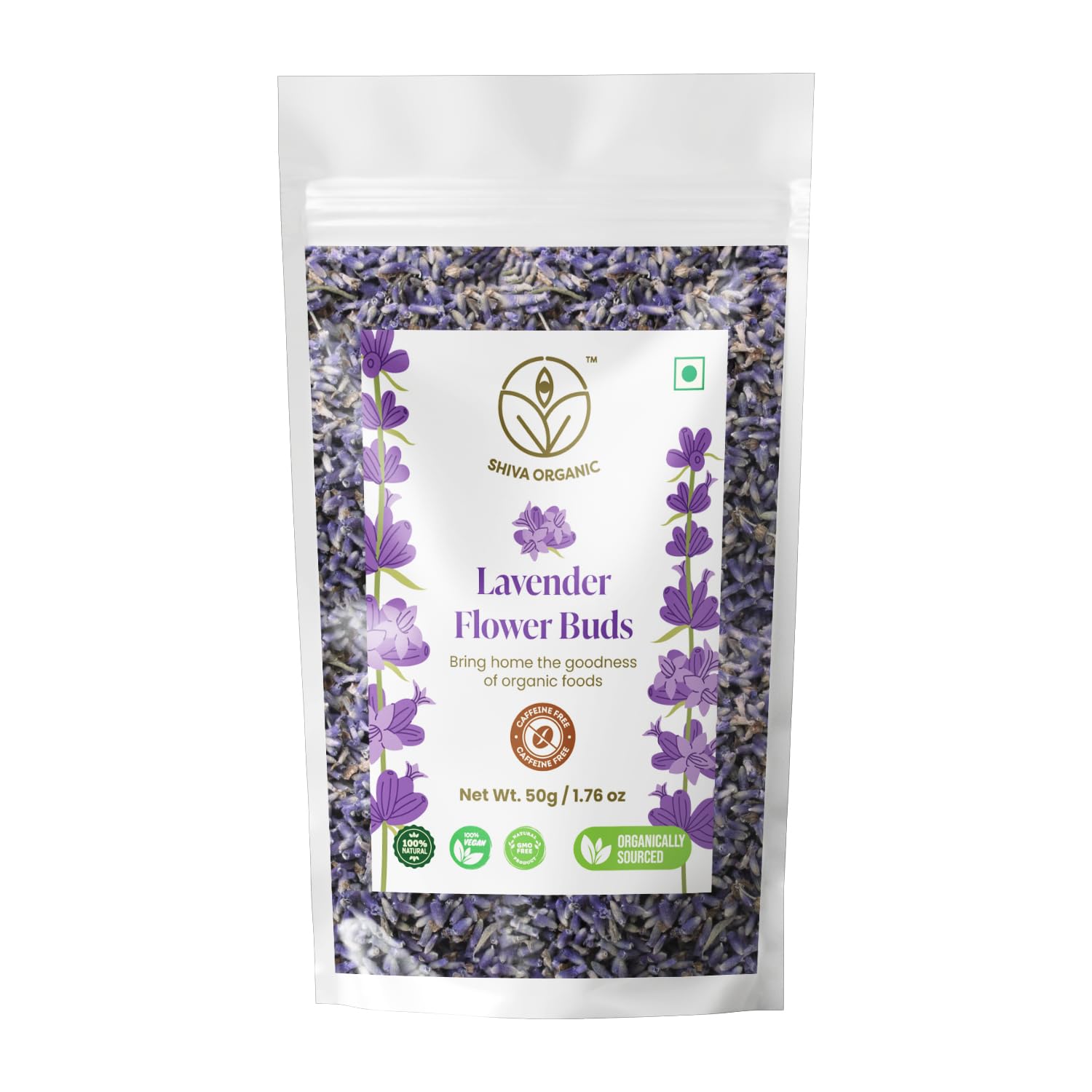
Lavender Tea
Benefits: Supports relaxation, improves sleep quality, reduces nighttime racing thoughts.
Why it works: Organic compounds help bring peace in body and mind.

Valerian Root Tea
Benefits: Helps with falling asleep faster and improving sleep depth.
Why it works: Traditionally used for insomnia and nervous agitation.

Passionflower Tea
Benefits: Reduces anxious thoughts, supports steady sleep cycles.
Why it works: May increase GABA activity in the brain.

Peppermint Tea (evening)
Benefits: Relaxes digestive tension, eases bloating, promotes comfort before sleep.
Why it works: Soothes the gut which supports overall relaxation.

Ashwagandha Tea
Benefits: Supports stress regulation, balances cortisol levels, improves sleep resilience.
Why it works: Adaptogenic herb traditionally used for nervous system balance.

Magnolia Bark Tea
Benefits: Promotes deep relaxation, helps reduce nighttime anxiety, may support longer sleep duration.
Why it works: Contains honokiol and magnolol — compounds traditionally used to calm the nervous system and ease stress before bed.
4 TEAS THAT HELP RELIEVE COLD SYMPTOMS NATURALLY
Warm fluids don't cure a cold, but the right herbs can ease symptoms and support recovery. When your immune system is under pressure, these teas can help ease discomfort.

Ginger Tea
Helps reduce inflammation
Soothes sore throat
Supports immune response
Especially helpful for chills and body aches.

Lemon + Honey Tea
Coats and soothes the throat
Helps calm coughing
Provides mild antibacterial support.

Chamomile Tea
Promotes relaxation and sleep
Helps reduce nasal congestion
Supports immune balance
Best for throat irritation and dryness.

Peppermint or Thyme Tea
Helps open airways
Eases congestion
Supports respiratory comfort.
Important: Herbal teas support comfort — they are not a substitute for medical treatment. Rest, hydration, and nutrition remain essential.
Underrated Herbal Teas You Should Know About
There are a few teas that don’t get enough attention today—but were staples in traditional households. Simple, effective, and often more powerful than people expect.
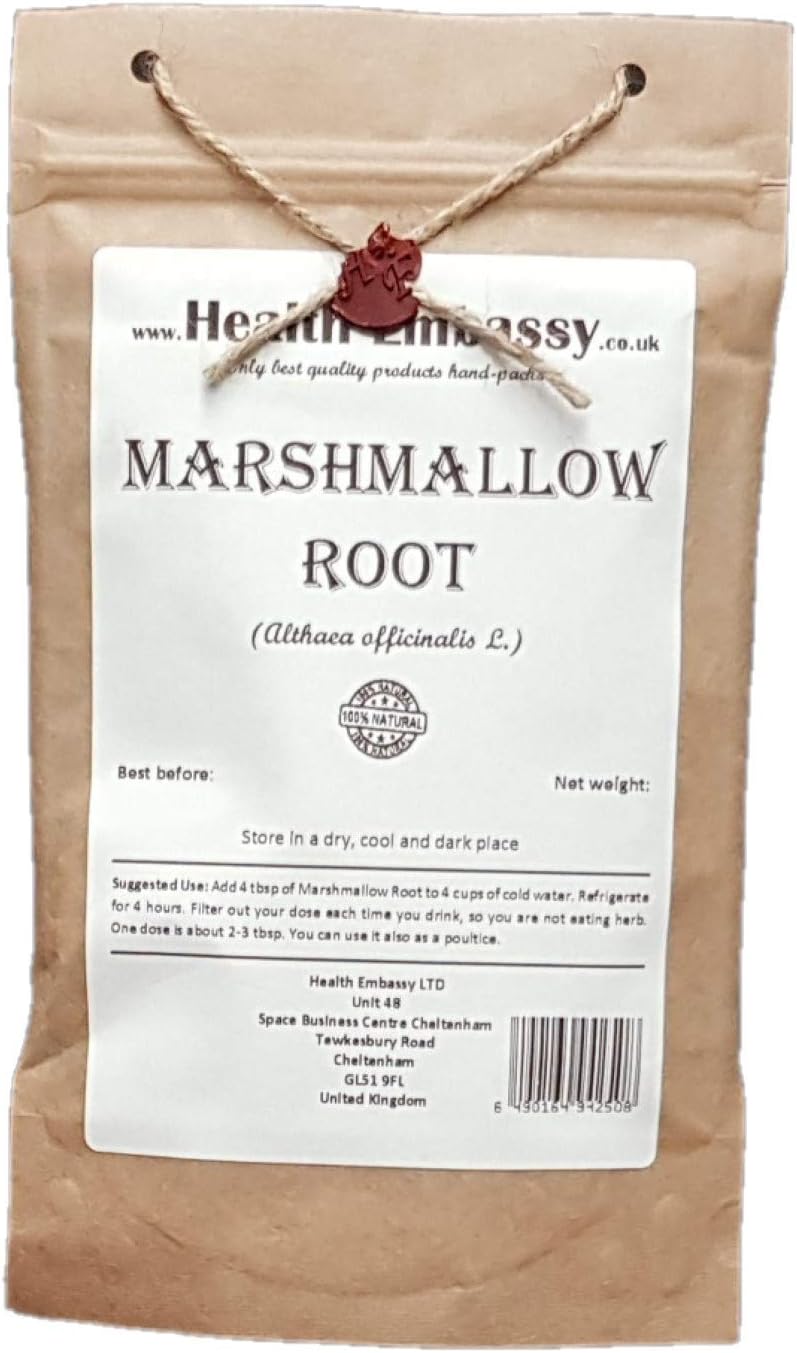
Marshmallow Root Tea
Benefits:
Soothes dry cough and throat irritation
Protects and coats mucous membranes
Supports gut lining and digestion
Why it works (in real terms): Marshmallow root is naturally rich in mucilage—a gel-like substance that literally coats irritated tissue. Think of it as a protective layer for your throat and digestive tract. That’s why it’s incredibly effective when everything feels dry, scratchy, or inflamed.

Sage Tea
Benefits:
Strong support for sore throat
Antimicrobial properties
Helps with inflammation in mouth and throat
Why it works: Sage has powerful natural compounds that act almost like a gentle antiseptic. That’s why people traditionally used it as a gargle—it doesn’t just soothe, it actively helps clean and calm irritated tissue.

Dandelion Tea
Benefits:
Supports liver and detox pathways
Helps digestion and bile production
Reduces water retention
Why it works: Dandelion stimulates bile flow, which your body needs to properly digest fats and eliminate toxins. When digestion is sluggish, everything feels heavier—this is where dandelion quietly does its job.

Thyme Tea
Benefits:
Helps with cough and mucus
Supports respiratory health
Antibacterial properties
Why it works: Thyme contains thymol, a compound known for its antimicrobial and expectorant effects. In simple terms—it helps break up mucus and makes breathing easier.

Nettle Tea
Benefits:
Rich in minerals (iron, magnesium)
Supports energy and blood health
Helps seasonal allergies
Why it works: Nettle is basically a mineral infusion. When your body is depleted, tired, or run down, this tea helps replenish what’s missing—especially important for energy and overall resilience.

Rosehip Tea
Benefits:
High in vitamin C
Supports immune system
Antioxidant support
Why it works: Rosehips are one of the most natural sources of vitamin C. This makes them ideal for supporting your immune system, especially during colder months or recovery periods.

Uva Ursi Tea
Benefits:
Supports urinary tract health
Mild antimicrobial effect
Why it works: This herb contains compounds that become active in the urinary tract, helping create an environment where unwanted bacteria struggle to grow. Best used short-term, not daily.

Licorice Root Tea
Benefits:
Soothes throat and lungs
Supports adrenal function
Helps with dry cough
Why it works: Licorice has compounds that mimic some of the body’s stress-regulating hormones. It’s also naturally soothing, which makes it great when your throat or lungs feel irritated. Avoid long-term use if you have high blood pressure.
She had roots, leaves, honey... and wisdom.
No fancy labels. No synthetic formulas.
Just time-tested remedies passed from hand to hand.
Morning teas to wake the body gently
Night teas to calm the nervous system.
Garlic when something felt "off."
Honey when the throat burned.
Simple. Practical. Effective.
The best medicines were never loud — they were consistent.
Functional Herbal Blends for Daily Use – 5 Stress-Relief Herbal Blends
These blends combine herbs for targeted effects:
Ingredients:
• 1 tsp Chamomile
• 1 tsp Lemon Balm
• 1 tsp Lavender
How to Prepare:
Pour 1 cup hot water over herbs. Steep 10-15 minutes. Strain.
Benefits:
• Supports nervous system relaxation
• May reduce mild anxiety
• Helps improve sleep quality
• Calms digestive tension
Best Time: Evening or before bed.
Ingredients:
• ½ tsp Ashwagandha powder
• 1 tsp Holy Basil (Tulsi)
• 1 tsp Rooibos
How to Prepare:
Simmer gently for 5-7 minutes. Strain and drink warm.
Benefits:
• Helps body adapt to stress
• Supports cortisol balance
• May improve mental clarity
• Gentle energy support (no caffeine)
Best Time: Morning or mid-afternoon.
Ingredients:
• 1 tsp Peppermint
• 1 tsp Fennel seeds
• ½ tsp Ginger
How to Prepare:
Steep 10 minutes in hot water.
Benefits:
• Eases stress-related bloating
• Supports digestion
• Calms abdominal tension
• Refreshes the mind
Best Time: After meals.
Ingredients:
• 1 tsp Lemon Balm
• ½ tsp St. John's Wort
• 1 tsp Rose petals
How to Prepare:
Steep 10-12 minutes.
Benefits:
• May support mood balance
• Gentle emotional uplift
• Antioxidant support
• Encourages calm positivity
Note: Avoid St. John's Wort if taking antidepressants or certain medications.
Ingredients:
• 1 tsp Passionflower
• 1 tsp Chamomile
• ½ tsp Valerian root
How to Prepare:
Steep 15 minutes (covered).
Benefits:
• Promotes deeper sleep
• Reduces racing thoughts
• Helps muscle relaxation
Best Time: 30-60 minutes before bed.
Stress isn’t just mental. It’s biochemical. Hormonal. Physical.
Your daily tea choices can:
• Regulate your nervous system
• Support digestion and immunity
• Improve sleep and recovery
Not through intensity — but consistency.
You don’t need dozens of products.
Start with:
• 2–3 core teas for morning
• 1–2 for evening
• 1 functional blend for your current need
If you want tinctures and extracts that can help you with detox and parasite cleanse, visit our blog posts:
Detox Protocols and
Detox Resources
Herbal teas are more than just drinks — they are daily rituals that connect us with nature’s wisdom. From energizing mornings to calming evenings, from soothing a sore throat to supporting deep rest, the right cup can gently guide your body back into balance.
You don’t need expensive supplements or complicated routines. Sometimes, the most powerful medicine is simple, consistent, and brewed with intention.
Start small. Choose 2–3 teas that resonate with you. Turn them into habits. Let your cup become part of your wellness journey.
Because true health isn’t loud. It’s consistent, gentle, and deeply rooted — just like the plants that have supported us for centuries.


Comments
Post a Comment