
The Most Important Daily Vitamins: Benefits, Food Sources & Essential Nutrient Guide
Introduction
Vitamins are essential micronutrients the body needs every single day to support energy production, immune function, brain health, skin health, bone strength, and overall well-being.
While a balanced diet remains the foundation of good health, many people still fall short on key vitamins due to modern lifestyles, limited sun exposure, restrictive diets, stress, or highly processed foods.
In this guide, we’ll break down some of the most important daily vitamins, including:
- their main functions
- recommended daily intake
- best natural food sources
- absorption tips
- important deficiency facts
Understanding how these vitamins work can help you make more informed choices about nutrition, wellness, and supplementation.
Vitamin D – The Sunshine Vitamin
Essential Nutrient Info
Main Functions
- Supports calcium absorption
- Contributes to strong bones and teeth
- Supports normal immune system function
- Plays a role in muscle function
- Supports overall skeletal health
Vitamin D supports these processes but does not cure or prevent disease.
What Makes Vitamin D Unique
- Fat-soluble vitamin
- Can be produced by the body through sunlight exposure
- Also obtained from food and supplements
Forms of Vitamin D
Vitamin D3 (Cholecalciferol)
Produced in the skin from sunlight
Found in animal foods
More effective at raising blood vitamin D levels
Important Facts
- Vitamin D is essential for overall health and well-being
- Deficiency is common, especially in areas with limited sunlight
- Blood testing provides the most accurate assessment
Recommended Daily Intake (RDA)

Vitamin D
- Adults (19–70): 600 IU (15 mcg)/day
- Adults (70+): 800 IU (20 mcg)/day
Needs may vary based on sun exposure, skin tone, and location.
Vitamin C – Immune & Collagen Support
Essential Nutrient Info
Main Functions
- Supports normal immune system function
- Contributes to collagen production (skin, joints, blood vessels)
- Helps protect cells from oxidative stress
- Improves absorption of non-heme iron (from plant foods)
- Supports wound healing
Vitamin C supports these processes but does not prevent or cure disease.
Recommended Daily Intake (RDA)

Vitamin C
- Men: 90 mg/day
- Women: 75 mg/day
- Smokers: +35 mg/day
- Children: varies by age
Best Natural Food Sources
- Citrus fruits (oranges, lemons, grapefruit)
- Red bell peppers
- Broccoli
- Kale & leafy greens
- Kiwi
- Strawberries
Absorption & Stability Tip
Vitamin C is sensitive to heat, light, and air. To help preserve it:
- Eat foods fresh
- Avoid overcooking
- Use gentle cooking methods (steaming or quick sauté)
Vitamin C from whole foods is generally safe.
Important Facts
- Vitamin C deficiency is uncommon in people with access to fresh foods
- Severe deficiency (scurvy) is rare, but can affect gums, skin, and wound healing
- Very high doses do not prevent colds but may slightly reduce duration
Vitamin B Complex – Energy & Nervous System Support
Essential Nutrient Info
What Is Vitamin B?
Vitamin B refers to a group of water-soluble vitamins that work together to support energy production, brain function, and cellular health.
B-Complex Includes

Vitamin B Complex
- B1 (Thiamine)
- B2 (Riboflavin)
- B3 (Niacin)
- B5 (Pantothenic Acid)
- B6 (Pyridoxine)
- B7 (Biotin)
- B9 (Folate)
- B12 (Cobalamin)
Main Functions
- Supports energy metabolism (converts food into energy)
- Supports brain and nervous system function
- Plays a role in red blood cell formation
- Supports healthy skin, hair, and nails
- Contributes to DNA synthesis and cell repair
Best Natural Food Sources
- Whole grains
- Leafy greens
- Legumes (beans, lentils)
- Meat
- Eggs
- Dairy
- Fish
- Bananas
- Nuts & seeds
Folate comes mainly from plants, while B12 is found primarily in animal foods.

Vitamin B12
Important Facts
- Mild B vitamin deficiencies are possible, especially with restrictive diets.
- Vitamin B12 deficiency is more common in: older adults, vegans and vegetarians, people with absorption issues
- Folate is especially important during pregnancy.
Safety Note
Excess B vitamins from food are generally safe. Very high doses of supplements (especially B6 or niacin) may cause side effects.
Vitamin E – Antioxidant & Cellular Protection
Essential Nutrient Info
Main Functions
- Acts as a powerful antioxidant
- Helps protect cell membranes from oxidative damage
- Supports immune system function
- Plays a role in skin health
- Works in synergy with vitamins A and C
Vitamin E supports these processes but does not prevent or cure disease.
What Makes Vitamin E Unique
- Fat-soluble vitamin
- Stored in body fat and the liver
- Functions mainly as an antioxidant
- Exists in multiple forms (tocopherols and tocotrienols)
Recommended Daily Intake (RDA)
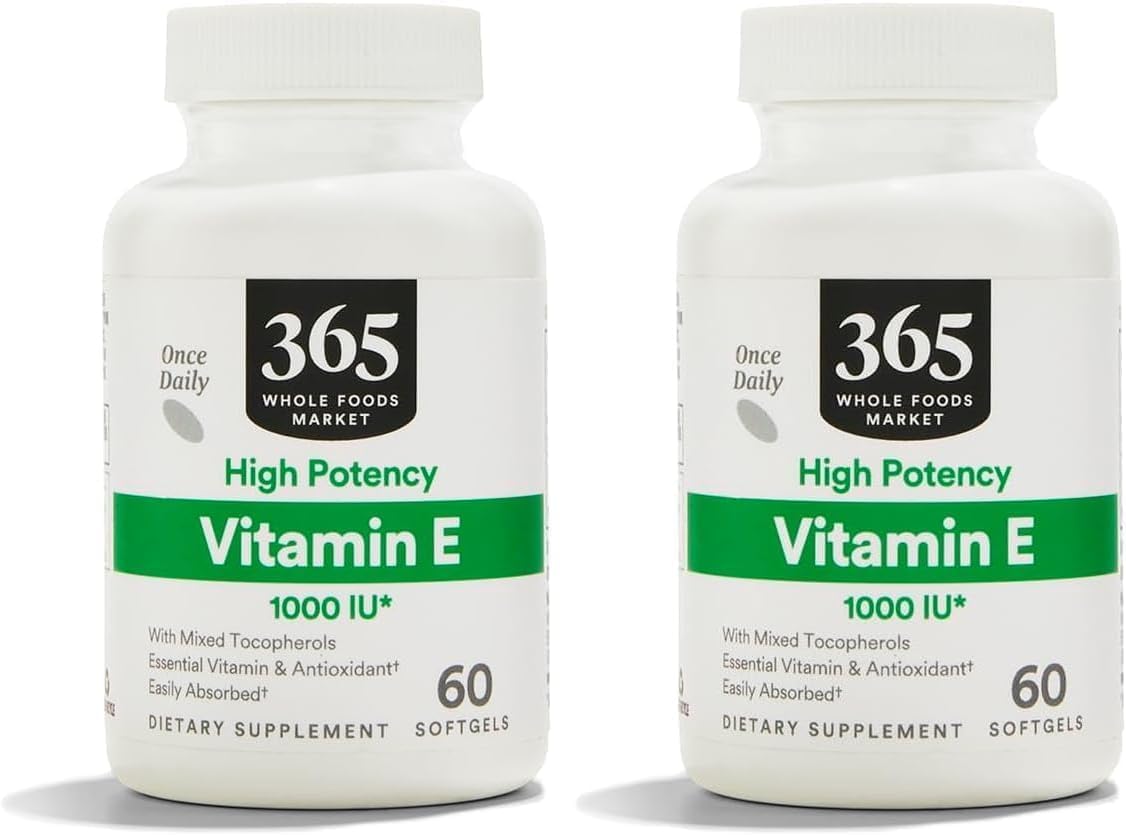
Vitamin E
- Adults: 15 mg/day
- Children: varies by age
Best Natural Food Sources
- Nuts and seeds (almonds, sunflower seeds)
- Sunflower oil
- Avocado
- Spinach and leafy greens
- Hazelnuts
Absorption Tip
Vitamin E is fat-soluble and is best absorbed when consumed with healthy fats such as: olive oil, nuts and seeds, avocado.
Important Facts
- Vitamin E deficiency is rare in healthy adults
- Low levels may occur with fat malabsorption conditions
Vitamin K – Bone & Blood Clotting Support
Essential Nutrient Info
Types of Vitamin K
Vitamin K1 (Phylloquinone)
Found mainly in leafy green vegetables
Important for blood clotting
Vitamin K2 (Menaquinones)
Found in fermented foods and animal products
Important for bone and cardiovascular health
Recommended Daily Intake (RDA)

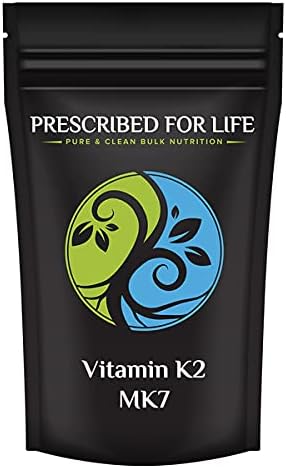
- Men: 120 mcg/day
- Women: 90 mcg/day
- Children: varies by age
Best Natural Food Sources
- Kale
- Spinach
- Collard greens
- Chinese cabbage (bok choy)
- Parsley
- Basil
- Soybeans (especially fermented natto)
- Broccoli
- Asparagus
Absorption Tip
Vitamin K is fat-soluble and best absorbed with healthy fats such as: olive oil, avocado, nuts and seeds.
Important Facts
- Vitamin K deficiency is rare in adults
- Newborns are born with low vitamin K stores, which is why vitamin K is routinely given after birth
- Long-term deficiency may affect bone health
Vitamin A – Vision, Skin & Immune Health
Essential Nutrient Info
Main Functions
- Supports normal vision (especially night vision)
- Contributes to healthy skin and cell growth
- Supports immune system function
- Plays a role in normal growth and development
- Important for bone and tooth development
Vitamin A supports these processes but does not prevent disease or aging.
Best Natural Food Sources
- Preformed Vitamin A (Retinol) – Found in animal foods
- Provitamin A (Beta-Carotene) – Found in colorful fruits and vegetables
Absorption Tip
Vitamin A is fat-soluble and best absorbed with healthy fats such as: olive oil, nuts and seeds.
Recommended Daily Intake (RDA)
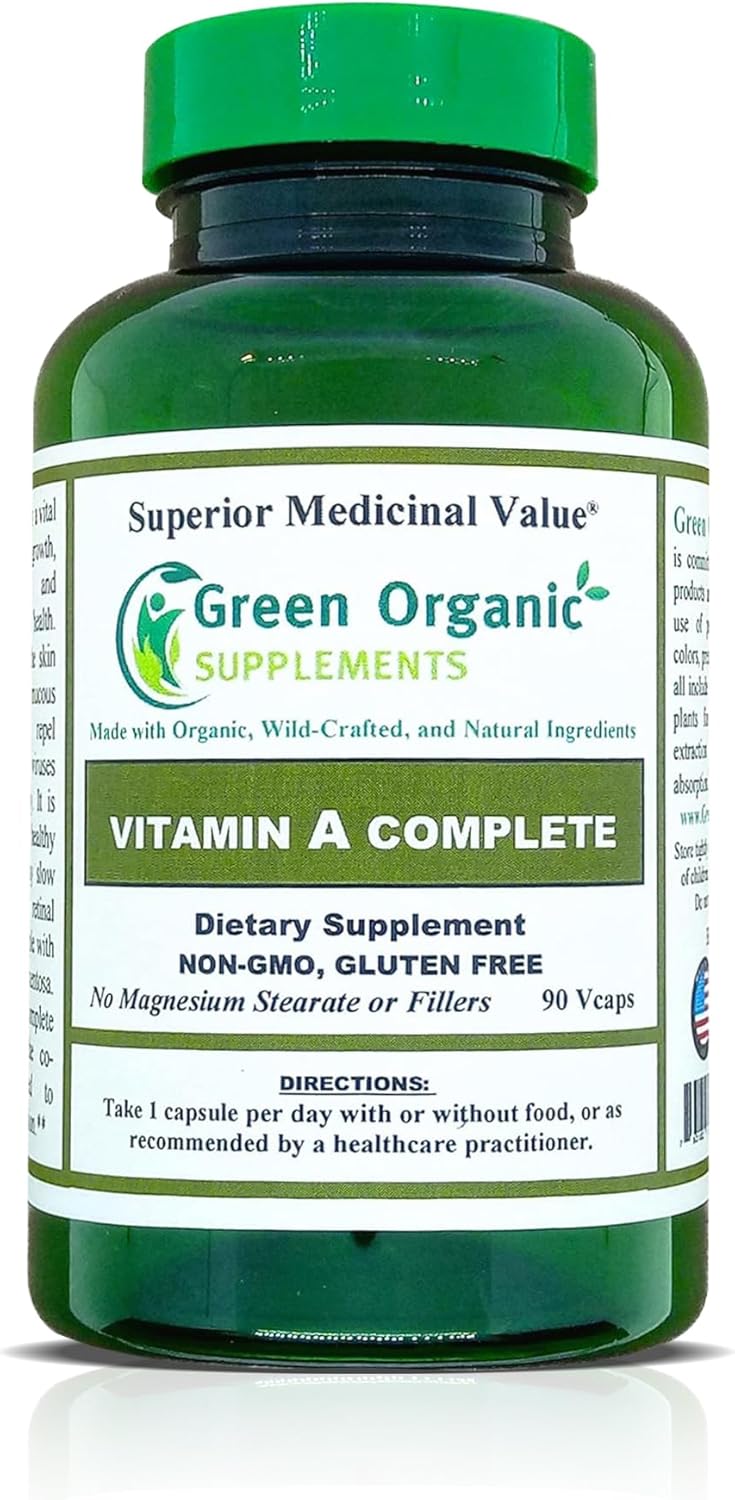
Vitamin A
- Men: 900 mcg RAE/day
- Women: 700 mcg RAE/day
- Children: 400–600 mcg RAE/day
(RAE = Retinol Activity Equivalents)
Important Facts
- Vitamin A deficiency is rare in adults in developed countries
- It remains a concern in parts of the world with limited food access
- Severe deficiency can affect vision and immune function
Safety Note
Excess intake of preformed Vitamin A (Retinol) from supplements or liver can be toxic, especially during pregnancy. Beta-carotene from plant foods does not carry this risk.
Our Product RecommendationsAfter exploring natural ways to support your well-being, we also want to share carefully selected products that meet our strict quality criteria.
When you click on a product link, you will be redirected to Amazon. Depending on your location, Amazon will ship the product from the nearest warehouse or representative office, since The Well Being Way is available across multiple Amazon marketplaces worldwide, ensuring that your shipping costs remain optimal.
Please note: These are affiliate links. This means that, at no additional cost to you, we may earn a small commission if you decide to make a purchase. This support helps us continue creating valuable recommendations and inspiring content on our blog and social media.
Final Thoughts
Daily vitamins play a critical role in supporting overall health, energy production, immune function, bone strength, skin health, and cellular protection.
While whole foods should always be the foundation of nutrition, understanding vitamin intake, food sources, and deficiency risks can help you make smarter wellness decisions.
For people with dietary restrictions, limited sun exposure, increased stress, or higher nutritional demands, targeted supplementation may sometimes be beneficial when guided appropriately.
A balanced diet rich in colorful fruits, vegetables, healthy fats, quality proteins, and minimally processed foods remains one of the best long-term strategies for maintaining optimal vitamin status and overall well-being.
If you want info and a guide through other key nutrients, read our blog post Mineral & Vitamin Deficiency.
If you are interested in all about magnesium forms and how to choose the right one for you, visit our blog post All About Magnesium Supplements.


Comments
Post a Comment